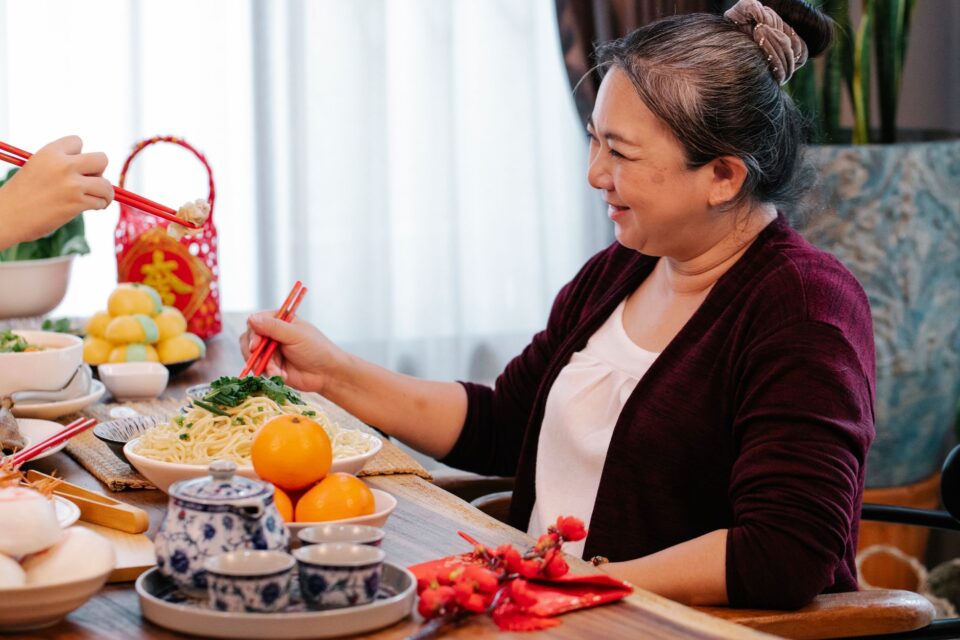
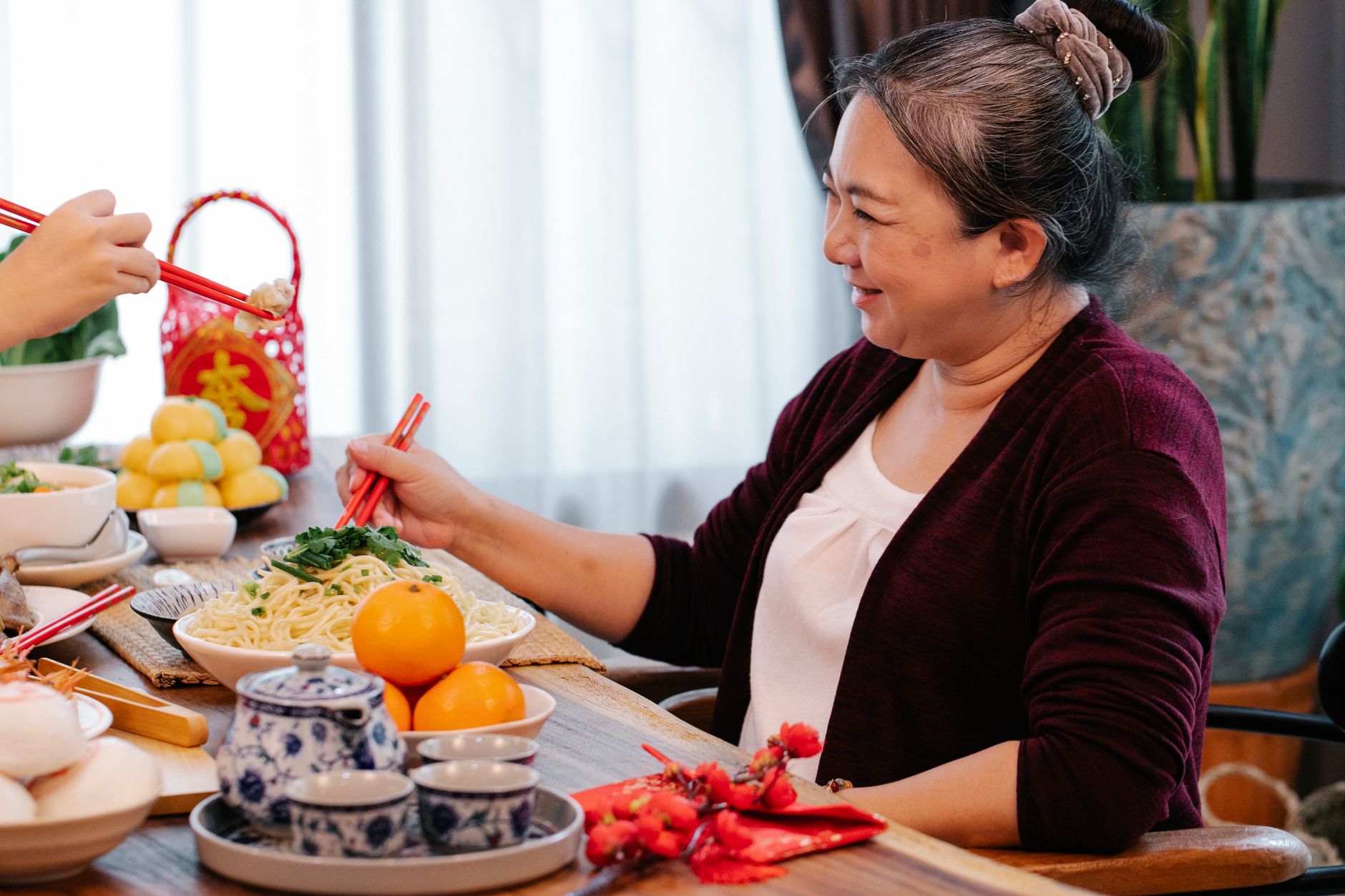
If you’re searching for chinese lunar new year recipes, here’s the fast answer: build a symbolic yet simple menu—steamed whole fish for prosperity, dumplings or spring rolls for wealth, longevity noodles for long life, and a sweet like nian gao or tang yuan. These dishes carry meaning and are accessible to a home cook, even with US supermarket ingredients.
To make this doable tonight, pick a plan that fits your time: we’ve listed step-by-step recipes, a 30-minute shortcut menu, vegetarian and gluten-free swaps that keep the symbolism, and a US-friendly shopping list you can take to any major supermarket. You’ll also see a make-ahead timeline, common mistakes and fixes, and a planner table with cost and difficulty to help you decide quickly.
Your quick guide to Chinese Lunar New Year recipes (time, cost, diet)
Start with these four pillars that balance symbolism and practicality:
- Prosperity: Whole steamed fish (serve head-to-tail, don’t “break” the fish).
- Wealth: Dumplings or spring rolls (gold ingot shapes, crispy rolls).
- Longevity: Long noodles (avoid cutting; serve in broth or stir-fried).
- Sweet fortune: Nian gao or tang yuan (family unity and rising fortune).
Pick one of three menus by time and effort:
- 30-minute menu: pan-fried dumplings, longevity noodles, quick ginger-scallion fish fillets, orange segments.
- 60–90-minute full menu: whole steamed fish, pork or mushroom dumplings, air-fried spring rolls, longevity noodles, and nian gao or sesame balls.
- Make-ahead menu: mix dumpling fillings and fold ahead; steam or bake nian gao the day before; prep sauces and aromatics; cook the fish and noodles fresh.
Diet at a glance:
- Vegetarian/Vegan: mushroom or tofu dumplings, veggie spring rolls, sesame-ginger greens, tang yuan made with plant-based ingredients.
- Gluten-free: tamari instead of regular soy sauce, rice noodles for longevity noodles, GF wrappers or lettuce cups, glutinous rice flour for nian gao.
- Lighter cooking: steaming, air-frying, and reduced-oil stir-fries can keep texture without heavy oil.
US-friendly substitutions:
- Shaoxing wine → dry sherry or mirin (use lightly; adjust salt).
- Dark soy → regular soy plus a splash of molasses or a dash of balsamic for color.
- Wok → large skillet; long tongs and high heat give similar results.
- Asian greens → baby bok choy or kale; Chinese chives → scallions.
Use the planner table to compare dishes by symbolism, course, time, cost, and diet-friendly notes:
| Dish | Symbolism | Course | Time (mins) | Difficulty | Approx Cost ($/serving) | Make-Ahead? | Diet-friendly | US Substitutions/Notes |
|---|---|---|---|---|---|---|---|---|
| Whole steamed fish | Prosperity, completeness | Main | 30–40 | Moderate | 3–6 | No; prep aromatics early | GF (use tamari) | Whole snapper or trout; steam over pot with rack |
| Pork or mushroom dumplings | Wealth (gold ingot shape) | App/Main | 40–60 | Moderate | 1.5–3 | Yes; freeze uncooked on a tray | Veg/Vegan/GF (use GF wrappers) | Pre-made wrappers; pan-fry or boil |
| Spring rolls (air-fried) | Wealth; crispy “gold” | App | 25–35 | Easy | 1–2 | Yes; freeze, air-fry from frozen | Veg/Vegan | Use coleslaw mix for speed |
| Longevity noodles | Long life | Main | 20–25 | Easy | 1–2 | No; cook fresh | Veg/Vegan/GF (rice noodles) | Don’t cut noodles; toss gently |
| Nian gao (steam or bake) | Rising fortune | Dessert | 60–75 (mostly idle) | Easy | 0.8–1.5 | Yes; make 1–2 days ahead | GF | Glutinous rice flour; slice and pan-sear to serve |
| Tang yuan in ginger syrup | Family unity | Dessert | 30–40 | Moderate | 1–2 | Yes; shape balls ahead | GF/Vegan | Black sesame filling; light simmer only |
| Citrus-soy chicken | Abundance | Main | 25–35 | Easy | 2–4 | Sauce can be made ahead | GF (tamari) | Orange zest + juice for brightness |
| Honey walnut shrimp | Sweet prosperity | Main | 20–30 | Easy | 3–5 | Toast walnuts ahead | GF | Light batter or cornstarch dust |
Traditional dishes and what they symbolize
Whole steamed fish represents abundance throughout the year and completeness for the family. Serving the fish head-to-tail, intact, matters: it signals continuity. In many homes, the fish remains unflipped during dining; instead, eat the top fillet, lift the spine, and reach the bottom fillet without overturning the fish, preserving the symbolism.
Dumplings and spring rolls are associated with wealth. Dumplings can mimic ancient gold ingots when folded; their rounded, well-sealed shape hints at fullness and prosperity. Spring rolls bring crunch and a warm color that reads as “golden,” especially when crisped in an air fryer instead of deep-fried.
Longevity noodles symbolize long life. Keep noodles long—avoid cutting or aggressive stirring that breaks them. Serving noodles in a broth bowl with aromatics or in a gentle stir-fry both work; the point is to preserve length.
Nian gao and tang yuan mark sweet beginnings and family unity. Nian gao, a glutinous rice cake, signals “rising year.” Tang yuan—sticky rice balls with fillings like black sesame—stands for reunion and togetherness. Sesame balls, with their puffed exterior and sweet center, are another celebratory treat seen on many holiday tables.
Step-by-step chinese lunar new year recipes (core set)
Below are practical versions designed for US kitchens. Adjust seasoning to taste and note diet-friendly options along the way.
Whole steamed fish (prosperity)
- Fish: 1 whole snapper, trout, or branzino (scaled and cleaned). Pat dry.
- Aromatics: 3–4 scallions (cut into 2-inch lengths), 1-inch ginger (matchsticks), cilantro.
- Sauce: 2 tbsp soy or tamari, 1 tbsp rice vinegar, 1 tsp sugar, 1 tbsp sesame oil.
- Steam setup: Place a heat-proof plate on a rack over boiling water in a large pot. Cover to trap steam.
- Cook: Lay fish on the plate with half the aromatics. Steam 8–12 minutes (varies by size) until opaque and flakes easily.
- Finish: Pour sauce over, top with remaining aromatics. Optional: briefly heat 2 tbsp neutral oil and spoon over aromatics for fragrance.
- Serve: Do not flip the fish; lift fillet, then slide the spine off to reach the bottom fillet.
Citrus‑soy chicken (quick poultry option)
- Chicken: 1 lb boneless, skinless thighs, trimmed and cut into bite-size pieces.
- Marinade: 2 tbsp soy/tamari, 1 tbsp rice vinegar, 1 tsp cornstarch, zest and juice of 1 orange, 1 tsp honey.
- Aromatics: 2 scallions, 1 tsp grated ginger, 1 tsp minced garlic.
- Cook: Heat 1 tbsp oil in a skillet; stir-fry chicken 5–6 minutes until cooked through. Add aromatics and marinade; toss until glossy.
- Serve: Garnish with sliced scallions and orange zest. Pair with rice or greens.
Honey walnut shrimp (sweet prosperity)
- Shrimp: 1 lb large shrimp, peeled and deveined.
- Walnuts: Toast 1/2 cup walnuts in a dry pan until fragrant.
- Sauce: 2 tbsp mayo, 1 tbsp honey, 1 tsp lemon juice, pinch of salt; thin with water as needed.
- Cook: Dust shrimp with cornstarch; pan-fry in a thin film of oil until crisp, 1–2 minutes per side.
- Toss: Combine with walnuts and sauce; taste and adjust salt/sweetness.
Dumplings (pork or mushroom)
- Wrappers: Store-bought round wrappers; for GF, use GF wrappers or lettuce cups.
- Pork filling: 8 oz ground pork, 1 cup finely chopped napa or coleslaw mix, 1 tsp grated ginger, 1 tbsp soy/tamari, 1 tsp sesame oil, 1 tsp cornstarch.
- Mushroom filling: 8 oz finely chopped mushrooms, 1/2 cup firm tofu crumbles, 1 cup chopped greens, same seasonings.
- Fold: Wet the edge, add 1 tbsp filling, fold into half-moon; pleat and pinch to seal tightly.
- Cook:
- Pan-fry (potstickers): Crisp bottoms in oil 2 minutes, add 1/4 cup water, cover to steam 3–4 minutes, uncover to evaporate.
- Boil: Simmer until they float plus 2 minutes.
- Sauce: 2 tbsp soy/tamari, 1 tbsp rice vinegar, 1 tsp chili crisp (optional).
- Freeze ahead: Line a tray, freeze uncooked dumplings; bag after frozen.
Spring rolls (baked or air‑fried)
- Filling: 2 cups coleslaw mix, 1/2 cup sliced mushrooms, 1/2 cup bean sprouts, 1 tsp soy/tamari, 1 tsp sesame oil.
- Wrap: Add 2–3 tbsp filling to a wrapper; roll tightly, seal with water-flour paste.
- Cook:
- Air-fry at 380°F for 10–12 minutes, turning once.
- Bake at 425°F for 12–15 minutes; brush lightly with oil for color.
- Serve: With sweet chili sauce or soy-vinegar dip.
Longevity noodles
- Noodles: Yi mein (if available) or thin egg noodles; GF option: rice noodles.
- Aromatics: Ginger, garlic, scallions.
- Sauce: 2 tbsp soy/tamari, 1 tsp sugar, 1 tbsp oyster sauce (or mushroom sauce), 1 tbsp sesame oil, splash of water.
- Cook: Boil noodles to just tender; toss with sautéed aromatics and sauce on low heat. Avoid cutting; lift gently with tongs.
- Finish: Add blanched greens (bok choy) and a dash of white pepper.
Simple vegetable fried rice or rice cakes stir‑fry
- Rice: Day-old rice (or packaged rice cakes/niangao slices).
- Veg: Carrots, peas, corn, scallions; or bok choy and mushrooms.
- Sauce: Soy/tamari, rice vinegar, sesame oil; optional beaten egg for fried rice.
- Cook: High heat; add rice or rice cakes, spread and let sizzle before tossing to keep texture.
Nian gao (steam or bake)
- Batter: 2 cups glutinous rice flour, 1 cup water, 1/2 cup brown sugar, pinch of salt. Optional: coconut milk for richness.
- Steam: Grease a pan; steam over medium for 60–75 minutes until set. Or bake at 350°F for ~45 minutes.
- Serve: Slice; pan-sear in a little oil for a lightly crisp exterior.
Tang yuan with ginger syrup
- Dough: 1 cup glutinous rice flour, ~1/2 cup warm water.
- Filling: 1/3 cup ground black sesame + 2 tbsp sugar + 2 tsp neutral oil (or peanut paste).
- Shape: Wrap filling; seal well.
- Syrup: Simmer water with ginger slices and rock sugar 10 minutes.
- Cook: Simmer tang yuan gently; when they float, give 1–2 minutes more.
30-minute menu and make-ahead plan
30‑minute menu (serves 4–6):
- Pan-fried dumplings (use pre-made wrappers and a simple filling).
- Longevity noodles (rice noodles cook fast and toss smoothly).
- Quick ginger-scallion fish fillets (instead of a whole fish).
- Orange segments or a simple citrus salad for luck.
60–90‑minute full menu (serves 6–8): whole steamed fish, pork or mushroom dumplings, air-fried spring rolls, longevity noodles, and either nian gao or sesame balls. Sequence: start nian gao first (idle steam/bake time), mix dumpling filling and fold, air-fry spring rolls while fish steams, finish noodles last so they stay glossy.
Make-ahead timeline:
- 2–3 days ahead: Steam/bake nian gao; cool, wrap, refrigerate.
- 1–2 days ahead: Prep dumpling filling; fold and freeze on a tray. Toast walnuts for shrimp; mix sauces.
- Morning of: Wash and slice aromatics; blanch greens; portion noodles.
- Right before serving: Steam fish; cook noodles; pan-fry dumplings; reheat nian gao slices.
If you like planning, this piece pairs well with our guide to meal prep and routine eating. See Discover the Benefits of Meal Planning & Prepping and The Science of Regular Eating Habits for practical strategies you can borrow for holiday cooking.
Vegetarian, gluten-free, and lighter swaps
Vegetarian/Vegan:
- Mushroom dumplings: finely chop mushrooms, combine with tofu crumbles and greens; add sesame oil for aroma.
- Veggie spring rolls: cabbage mix, carrots, bean sprouts; skip meat and use flavorful dipping sauces.
- Sesame‑ginger greens: sauté bok choy or kale with ginger and a splash of soy/tamari.
- Tang yuan: use plant oils in the filling and a light ginger syrup.
Gluten‑free:
- Sauces: swap soy sauce for tamari; check labels on oyster or mushroom sauce.
- Noodles: use rice noodles for longevity noodles; toss gently.
- Wrappers: look for GF dumpling wrappers or use crisp lettuce cups; bind fillings with cornstarch.
- Nian gao: made with glutinous rice flour (GF); slice and pan-sear.
Lighter cooking methods:
- Steaming fish and greens keeps flavors bright and portions approachable.
- Air-frying spring rolls reduces oil but stays crisp; brush lightly for color.
- Use cornstarch slurry sparingly for glossy sauces without heaviness.
Shopping list and US substitutions
Pantry: soy sauce or tamari, Shaoxing wine or dry sherry/mirin, rice vinegar, sesame oil, cornstarch, glutinous rice flour, oyster/mushroom sauce, chili crisp (optional), sugar.
Produce & protein: ginger, garlic, scallions, cilantro, bok choy or kale, carrots, mushrooms, bean sprouts, oranges, whole fish (snapper/trout/branzino) or fillets, chicken thighs, shrimp.
Substitutions:
- Light vs dark soy: use regular soy for salt; add a dash of molasses or balsamic for color near “dark soy.”
- Wine: dry sherry or mirin can stand in for Shaoxing in small amounts.
- Equipment: a large skillet works in place of a wok; use high heat and space ingredients to avoid steaming.
- Dumpling wrappers: most supermarkets stock them near tofu; or use wonton wrappers folded into triangles.
If you’re curious how nutrition links to skin health or general wellness, you might enjoy our editorial explainer Understand Diet & Nutrition for big-picture context around ingredients you’ll use here.
Common mistakes and how to fix them
Fish overcooked or “broken”: Steam only until flakes easily; if using fillets, cut into even thickness so they cook uniformly. To avoid breaking a whole fish, lift the top fillet, remove the spine, and slide to the bottom fillet—don’t flip.
Soggy spring rolls: Too much moisture in the filling leads to sogginess. Lightly sauté watery vegetables first and cool; don’t overfill. Air-fry or bake on a wire rack so airflow keeps them crisp.
Dumplings leaking: Sealing is critical. Don’t overload filling; press edges firmly and use a small water-flour paste for insurance. In pan-frying, let the bottoms set before adding water to steam.
Noodles clumping or broken: Rinse egg noodles briefly after boiling; toss with a teaspoon of oil before stir-frying. For rice noodles, undercook slightly and use gentle tosses with tongs—avoid cutting, which undermines the longevity symbolism.
Nian gao too gummy or cracked: Keep batter ratio consistent; don’t boil at a rolling boil during steaming—steady heat helps set it evenly. If over-set, slice and pan-sear; a crisp exterior balances texture nicely.
Tang yuan splitting: Dry your hands when shaping; seal seams carefully. Simmer gently, not vigorously, and give floating balls an extra minute to set.
FAQs about Lunar New Year foods
What are traditional New Year’s Eve dishes for Lunar New Year? Whole steamed fish, dumplings, spring rolls, longevity noodles, and a sweet such as nian gao or tang yuan. Many families also serve a chicken or shrimp main for abundance.
What are 10 easy Chinese appetizers? Potstickers, boiled dumplings, spring rolls (air-fried), scallion pancakes, sesame cucumbers, soy-braised mushrooms, five-spice edamame, crispy tofu bites, sweet chili wings, and prawn toasts. Choose 3–4 to keep prep easy.
What are 5 popular Chinese dishes? Steamed fish, dumplings, longevity noodles, fried rice, and mapo-style tofu (use mild sauces for family menus). For this holiday, pick the versions that preserve symbolism.
What are the top 5 Chinese desserts? Nian gao, tang yuan (black sesame or peanut), sesame balls, almond jelly, and mango pudding. Nian gao and tang yuan are the most closely tied to the season.
What are some easy Chinese Lunar New Year recipes? The 30-minute menu—potstickers, longevity noodles, ginger-scallion fish fillets, and orange segments—is a fast, symbolic set. Use pre-made wrappers and a coleslaw mix to speed things up.
What chicken dishes are good for Lunar New Year? Citrus‑soy chicken or soy-ginger poached chicken pair well with greens and noodles. The zest and gentle sweetness convey abundance without heavy sauces.
Are there healthy options? Yes. Steaming fish and greens, air-frying spring rolls, and using rice noodles or mushroom sauce can keep flavors bright and portions balanced. Plan with your time and budget using the table above, and if you’re building new habits, see our pieces on meal planning and regular eating routines.
With these recipes and swaps, you can serve meaning-rich dishes without specialty gear, and still honor what each plate represents. Pick a menu that fits your evening and enjoy the feast.