
If you’ve ever felt that sleep takes too long to arrive or doesn’t feel restorative enough, the principles behind high-efficiency sleep therapy can help you focus on the small actions that deliver the biggest returns. This guide explains what that phrase means in everyday life, how to set up your nights and days for better rest, and how to run simple, low-effort experiments so you can discover what works for you.
What high-efficiency sleep therapy means in everyday life
Think of efficiency as outcomes per unit of effort. In sleep, it’s about getting more refreshing rest from the same—or even less—time in bed by improving the conditions that make sleep more likely and more satisfying. It is not a promise of quick fixes. Instead, it’s a framework that helps you identify a few leverage points—light, noise, temperature, routine, and mindset—and adjust them in ways that suit your lifestyle, job, family responsibilities, and personal preferences.
Sleep has many components, and people vary. That’s why this article favors modular steps. You will find options for five-minute wind-downs, room tweaks that take one afternoon, and daytime habits that cost nothing but attention. Adopt what fits, ignore what doesn’t, and note the results in a notebook or app so you can refine your approach over time.
If you suspect a medical condition is affecting your sleep or you have daytime sleepiness that concerns you, consider discussing it with a qualified professional. The ideas below offer general information and practical tips, not medical advice.
The 80/20 of better sleep: three high-impact levers
Across studies and everyday experience, three levers tend to offer outsize results. Think of these as foundations. Once they’re in place, everything else becomes easier.
Lever 1: Your sleep environment
Environment is the canvas that holds your sleep. A cool, dark, quiet room reduces obstacles between you and rest. Here are the basics most people find worthwhile:
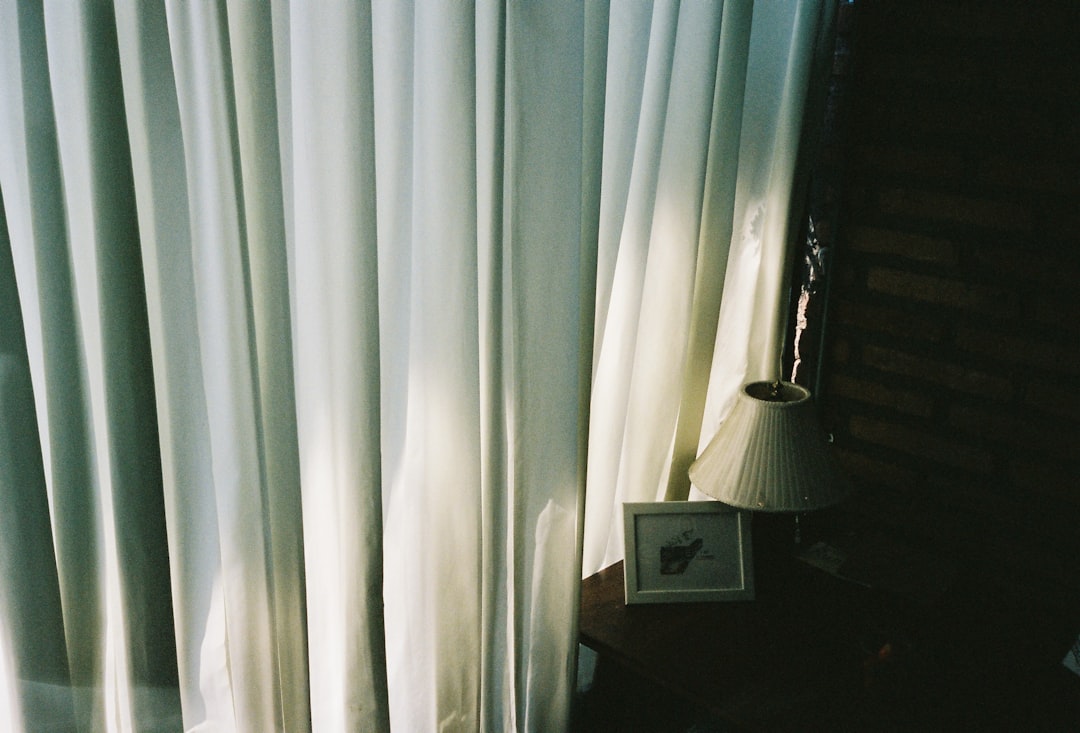
- Light management: Block outside light with blackout curtains or a simple sleep mask. Keep the room dark at night. In the hour before bed, dim overheads and favor lamps.
- Noise control: If noise intrudes, try reusable earplugs or a white-noise track at low volume. Consistent sound can mask unpredictable disruptions.
- Temperature: Many sleepers feel better in a cooler room. Experiment with small changes and breathable bedding to find your preferred range.
- Clutter and cues: A tidy, restful space reduces mental arousal. Remove nonessential screens and work stacks from the bedroom, or cover them at night.
These steps may seem simple, but they lower friction. Every reduction in friction is a push toward easier rest.
Lever 2: A short, reliable wind-down
Wind-down is the bridge between a busy mind and a sleepy one. You don’t need an elaborate ritual. You do need something brief and consistent that signals “this is the end of the day.” A 10–20 minute routine often does the job:
- Screen step-down: Reduce bright screens for 20–60 minutes before bed when possible. If you must use them, lower brightness and consider night modes.
- Breath and body: Try 2–5 minutes of slow breathing (for example, exhale slightly longer than inhale) or gentle stretches to cue relaxation.
- Brain offloading: Spend two minutes writing tomorrow’s top three tasks and anything on your mind. This can quiet late-night planning loops.
- Comfort cue: Make a cup of non-caffeinated tea, take a warm shower, or read a few pages of an easy book to associate a calm activity with bedtime.
The key is not perfection; it’s repetition. When your body learns the sequence, the routine itself becomes sleepy.
Lever 3: Daytime alignment
Nighttime sleep is influenced by daytime choices. Sunlight, caffeine, movement, and meals all change how ready you feel at night. A few low-effort patterns can set the stage:
- Morning light: Get natural light within the first 30–60 minutes after waking. A short walk or sitting by a bright window helps signal daytime to your body clock.
- Caffeine timing: If you enjoy coffee or tea, consider a cut-off six to eight hours before your desired bedtime, then adjust based on how sensitive you feel.
- Movement: Any regular movement can help you feel more ready for sleep later. It does not need to be intense. Even steady walks count.
- Evening ease: Large, late meals may feel heavy. Many people prefer lighter dinners and a longer gap before bed, but test what fits your body and culture.
Build the room: light, noise, temperature, and feel
Most bedrooms evolve as storage areas with beds. Transforming yours into a sleep-forward space doesn’t require a renovation. Start with the sensory basics and one aesthetic shift that makes the space feel like a retreat.
Light: If streetlights, neighbor windows, or early sunrise spills into the room, simple blackout panels or a quality sleep mask can make a night-and-day difference. Dimming lights in the hour before bed tells your system that the day is winding down. Try lamp-level lighting instead of ceiling lights and keep bathroom trips gentle on the eyes with a small nightlight.
Noise: Random noise wakes more people than they realize. A consistent background like a fan, an air purifier, or a white-noise app can level out the bumps. Earplugs come in different shapes and materials; test a few to find a pair that seals gently without pressure.
Temperature and airflow: A breathable mattress and sheets help your body release heat. Some people like a slightly cooler room and a slightly warmer blanket, which lets you regulate by moving the blanket. If air feels stale, a small fan or purifier improves comfort.
Feel and function: Consider the visual tone of your bedroom. Neutral colors, clean surfaces, and a designated spot for phones and tablets reduce mental clutter. If your bedroom doubles as an office, cover the work area after hours—a folded throw blanket over the desk can act as a visual “closed” sign.
Wind-down routines that take 20 minutes or less
High-efficiency routines are short, repeatable, and adjustable. Here are three sample sequences you can customize. Use one most nights, and swap when circumstances change.
Calm-and-cozy (≈ 15 minutes):
- Dim lights and silence notifications.
- Two-minute tomorrow list: write the top three tasks and anything buzzing in your head.
- Four minutes of slow breathing. Try a pattern like inhale for four, exhale for six.
- Read an easy book for eight minutes in soft light.
>
Move-and-melt (≈ 10 minutes):
- Gentle stretches: neck rolls, shoulder circles, and calf stretches.
- Box breathing: inhale four, hold four, exhale four, hold four—repeat for three to five rounds.
- Warm shower for a few minutes, then into a cool bedroom.
Screen-taper (≈ 20 minutes, for tech-heavy evenings):
- Switch devices to night modes and drop brightness.
- Put on blue-light-limiting glasses if you like them.
- Play an audio chapter, calming podcast, or ambient sounds. Keep eyes off screens while listening.
- Finish with a two-minute journal entry: one highlight, one lesson, one thing you appreciate.
Rotate these based on the day. The outcome you’re aiming for is a reliable sense of “downshift,” not perfection.
Daytime habits that set up the night
What you do when the sun is up shapes how you feel when it’s time to sleep. A few tweaks can influence your evening drowsiness and morning refreshment.
Sunlight timing: Light is a powerful cue for your body clock. Morning light soon after waking can help anchor your day. Midday outdoor time, even for 10 minutes, keeps energy more even. At night, dimmer, warmer light helps your system transition toward rest.
Movement variety: You don’t need a perfect gym plan. Walks, cycling, yoga, or games with kids all count. Many people notice that movement earlier in the day feels better than late, but test it. If evening is your only option, choose calming movement and leave enough time to cool down.
Stimulants and timing: Enjoy coffee or tea with awareness of timing. Some are more sensitive than others. If you suspect caffeine lingers for you, try a week with an earlier cut-off and see how your nights feel.
Meals and hydration: If heartburn or heavy fullness shows up at night, try shifting larger meals earlier, leaving a gap before bed, or choosing lighter evening options. Hydrate through the day, and taper in the last couple of hours if nighttime bathroom trips wake you.
Personalization: chronotype, naps, and flexible schedules
People differ in their preferred sleep timing. Some naturally wake early and tire early. Others hit their stride later. Rather than forcing yourself into a mold, use your tendencies as a starting point, then make gentle adjustments that fit your commitments.
Chronotype awareness: If you feel consistently alert late, shift morning light exposure earlier and dimming earlier at night. If you wake too early, try later light and consider a small, earlier-in-the-day nap to reduce sleep pressure gaps.
Naps: Naps can refresh or interfere, depending on length and timing. Many find 10–25 minutes effective and less likely to lead to grogginess. Keep naps earlier in the day if nighttime sleep feels fragile. Test different lengths over a week and note the impact.
Shift work and rotating schedules: Rotating shifts challenge sleep. When possible, protect a pre-sleep wind-down even if it happens after sunrise. Use eye masks and blackout curtains generously. Wear sunglasses on the commute home after a night shift so bright light doesn’t signal “daytime” to your body. Maintain a small pre-sleep snack if it helps you feel settled, and keep the room cool.
Mindset and the racing mind
It’s hard to drift off when thoughts are sprinting. Mindset and simple mental techniques can help reduce that internal noise. Here are some gentle options:
- Offload before bed: Write anything on your mind into a small notebook. Promise yourself you’ll look at it in the morning. This external storage calms internal loops.
- Relaxation scripts: Short recordings that guide you through breathing, progressive muscle relaxation, or a calming visualization can shift attention away from planning and worry.
- Permission to rest: Allow yourself to lie quietly even if sleep hasn’t arrived. Rest has value. Removing pressure often makes sleep more likely.
- Stimulus control: If you’re wide awake and increasingly alert, get up and do something calm and low light for a few minutes until drowsiness returns, then try again.
Metrics that matter—and those that can mislead
Wearables and apps can be helpful, but they can also create stress. The most useful metric is how you feel during the day. Do you feel reasonably alert, able to focus, and steady in mood? That subjective check is the anchor.
About “sleep efficiency”: This phrase often refers to the proportion of time you spend asleep compared with time in bed. If you lie in bed awake for long stretches, one strategy is to reduce time in bed for a period so your body associates the bed more with sleep. A gentler version at home is to delay bedtime slightly until you feel more clearly drowsy, then go to bed and maintain a regular wake-up time. Track how you feel over a week.
Beneficial numbers: Total sleep time, consistency of bed and wake times, and time outdoors each day often correlate with how people feel. Potential decoys: Exact stage breakdowns in consumer devices may not match clinical measurements. Use them as rough patterns, not absolutes.
How to run your own 7-day experiments
Rather than overhauling everything at once, change one thing for seven days and take quick notes. At the end, decide whether to keep the change, modify it, or drop it. Here’s a simple template:
- Pick a lever: example—move the caffeine cut-off earlier by two hours.
- Define a success signal: example—fall asleep within 20–30 minutes most nights.
- Track like a minimalist: each morning, rate your sleep on a 1–5 scale and jot one sentence about the evening routine.
- Review after seven nights: If the pattern improved, keep going. If it didn’t, revert or try a different lever next week.
This approach builds confidence and avoids overwhelm. It also helps you spot the few actions that truly make a difference for you.
A 30-day progression for steady change
If you’d like a longer arc, try this month-long progression. It adds one focus area each week while maintaining what already helps.
Week 1: Bedroom and light. Darken the room, fine-tune temperature, add a small nightlight for bathroom trips, and set lamps to warmer bulbs. Aim for 5–10 minutes of morning light daily.
Week 2: Wind-down. Choose one of the 10–20 minute routines and repeat it most evenings. Keep a two-minute evening note to offload thoughts.
Week 3: Daytime alignment. Move, hydrate, and plan caffeine timing that suits your body. Include one outdoor break even on busy days.
Week 4: Personalization. Adjust bedtime and wake times gently to fit obligations and your natural tendencies. Test naps, and refine any friction points the first three weeks exposed.
At the end of 30 days, you’ll have a compact system you can maintain with minimal effort. When life changes, you can revisit the levers and adjust again.
Troubleshooting menu for common scenarios
Life is dynamic. Here is a practical menu you can use when specific issues pop up. Pick the minimal step likely to help, try it for a few nights, and observe.
Falling asleep takes too long:
- Push bedtime later by 15–30 minutes so sleep pressure is higher when you get into bed.
- Use a brief offload notebook and two minutes of slow breathing before lights out.
- Consider a consistent wake-up time for seven days to stabilize your rhythm.
Wake-ups during the night:
- Keep lighting low if you get up. Avoid bright overheads.
- Test a slightly cooler room and breathable bedding.
- If thoughts kick up, try a short audio relaxation and return to bed when drowsy returns.
Travel and time-zone changes:
- For short trips (one to two nights), keep your home rhythm and use an eye mask and earplugs to make unfamiliar rooms feel familiar.
- For longer stays, seek morning light at your destination and nudge your bedtime toward local time by 15–30 minutes per day.
- Hydrate, move gently on arrival, and adopt a simple wind-down that you can replicate anywhere.
Late-evening events or work:
- Do a “micro wind-down” even if it’s only five minutes: dim a lamp, breathe slowly, and write tomorrow’s top tasks to park your thoughts.
- Use earplugs or noise masking if you return to a lively household.
- Allow for a small, earlier-in-the-day nap the next afternoon if it helps you feel level.
Tools and accessories that are worth considering
You don’t need new gear to make meaningful progress, but a few low-cost tools can make your environment more forgiving:
- Eye mask and earplugs: Portable, inexpensive, and powerful for making any room feel sleep-ready.
- White noise or a fan: Gentle sound masking can smooth out irregular noises.
- Blackout curtains or stick-on light blockers: Useful for windows, LEDs, or thin door gaps.
- Comfortable, breathable bedding: Materials you like will be more comfortable, which can reduce tossing and turning.
- A small lamp with a warm bulb: Easy dimming makes the last hour feel calmer.
Choose one item that addresses your biggest friction point first. Add more only if needed.
When to consult a professional
If you routinely struggle to sleep or feel persistently unrefreshed during the day, it may be useful to consult a qualified healthcare professional. Snoring, breathing pauses during sleep, or significant daytime sleepiness deserve attention. Professionals can help you explore options based on your situation. The steps in this guide focus on general education and habit support.
A sample 14-day plan you can start tonight
Below is a minimal plan that layers a few habits without demanding a complete lifestyle overhaul. Modify as needed.
Days 1–3: Environment reset. Darken the room. Adjust temperature. Choose a white-noise option if needed. Set a consistent wake time and aim for 5–10 minutes of morning light.
Days 4–6: Choose one wind-down. Do it most nights. Keep a two-minute offload notebook. If your mind races, add three minutes of slow breathing.
Days 7–9: Daytime alignment. Move daily in whatever way is realistic. Test caffeine timing. Add a short outdoor break in the afternoon.
Days 10–12: Personalize. Shift bedtime 15 minutes in the direction that feels right and observe. Test a short nap earlier in the day if afternoons are sluggish.
Days 13–14: Review and refine. What helped the most? Keep those. What didn’t matter? Drop it. Add one small upgrade (for example, a warm reading lamp) if it solves a friction point.
How to stay consistent when life gets messy
Perfection isn’t the target; stability is. To keep your system running when schedules explode, build “minimum viable sleep habits” you can do almost anywhere:
- Five breaths before bed, wherever you are.
- Two-minute offload note, even on your phone.
- Light management: dim the room and wear an eye mask if you can.
- Morning light exposure whenever possible to anchor your day.
These small anchors stop backsliding and make it easier to ramp up again when life calms down.
Working with partners, kids, roommates, and neighbors
Sleep happens in a social context. Partners may have different bedtimes. Kids may wake or need attention. Roommates may be on different schedules. Rather than trying to solve everything at once, decide on a few shared norms:
- Quiet hours and light etiquette: Agree on lamp-level lighting and headphone use after a set time.
- Bedroom zoning: Keep the bed for sleep and intimacy; handle work or scrolling elsewhere when possible.
- Negotiated wind-down: If your partner prefers screens, you can dim your side, use an eye mask, or listen to calming audio with earbuds.
- Kids’ routines: Short, predictable wind-downs help the whole household. A consistent sequence helps children and adults alike.
Special cases: athletes, students, and frequent travelers
Athletes: Higher training loads raise recovery needs. Many athletes find that earlier movement sessions make nights calmer. A brief post-training snack, hydration across the day, and a deliberate wind-down in the evening can make sleep more satisfying.
Students: Deadlines and late-night study sessions are real. If evenings run long, keep a five-minute micro wind-down and an eye mask for lights-out. Try to get early light the next morning and a short, early nap if needed to steady the day.
Frequent travelers: Create a travel kit—eye mask, earplugs, lightweight scarf as a curtain gap filler, and a small warm bulb if you carry one. Keep your offload notebook, and look for morning light at the destination to help your rhythm adjust.
Mindful use of sleep-related content and apps
Sounds, meditations, and guidance can be supportive. The goal is to rely on them as tools rather than obligations. If a certain app or track feels soothing, keep it. If reading about sleep makes you anxious, step back from the topic and return to the basics: a calm room, a short wind-down, and a steady wake time.
Putting it all together
High-efficiency sleep is not about perfection; it’s about intelligent defaults and consistent, low-friction behaviors. Start with the environment, add a short nightly bridge, and align a few daytime cues. Personalize through small weekly experiments, and keep your “minimum viable habits” ready for busy seasons. When you notice a friction point, address it with the smallest effective step first.
If you’d like to explore more practical ideas and related posts, visit the High-Efficiency Sleep Therapy hub on our site. You can browse articles and guides here: inhealthtoday.com/high-efficiency-sleep-therapy/.
FAQ: quick answers
How long should I give a change before judging it? A week gives you enough nights to see a pattern. If the change helps, keep it for another week and reassess later.
Is it okay to wake up during the night? Waking briefly is common. The goal is to make it easy to drift back down: low light, quiet, cool room, and a calm mindset.
What if I can’t control my schedule? Anchor the two things you can most days: a short wind-down and a consistent wake time. Add morning light when possible.
What if my device score looks bad but I feel fine? Trust how you feel first. Consider device numbers as general trends, not verdicts.
One last nudge
Pick one lever to test this week. It could be morning light, a two-minute notebook, or a cooler room. Note how you feel. Let results guide your next move. That’s the spirit of high-efficiency sleep therapy: small steps, steady gains, tailored to you.