
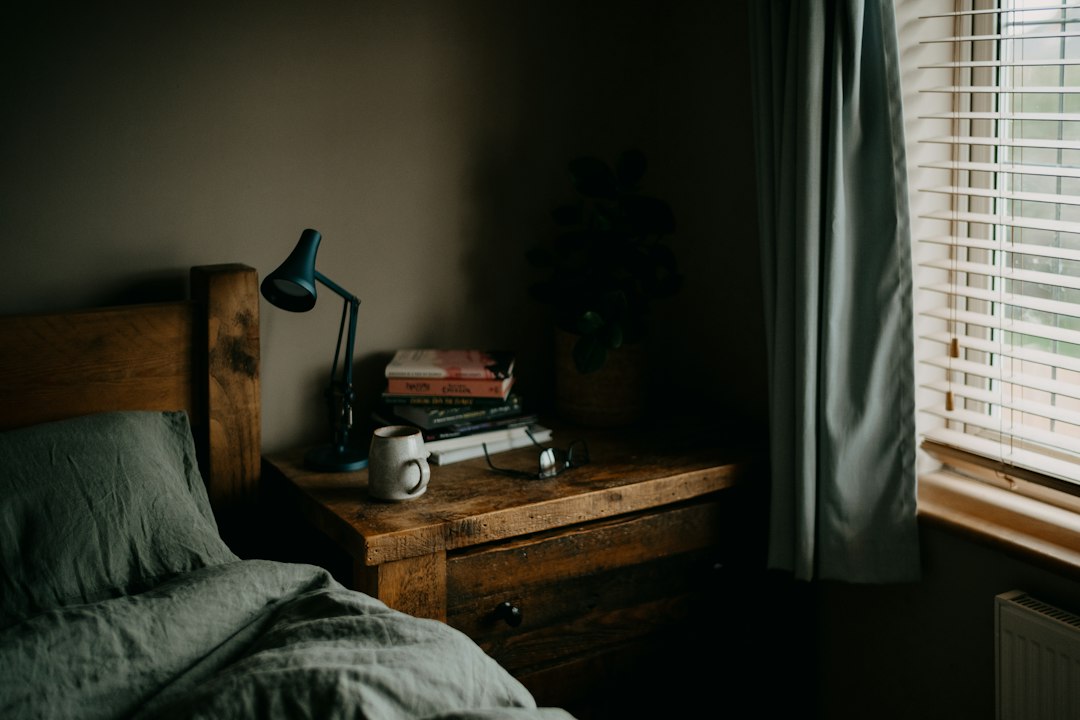
Many guides read like wish lists you can’t follow, so this one focuses on a sleep routine for adults that respects real life. Rather than rigid rules and all-or-nothing challenges, you’ll find flexible steps you can test, keep, or swap, along with checklists, examples, and a 30-day roadmap that meets you where you are.
Why routines matter for grown-up lives
Ask five adults what gets in the way of better rest and you’ll hear five different realities: night-shift rotations, long commutes, kids waking at odd hours, late study sessions, or neighbors who love karaoke. That variety is the point. Instead of chasing perfection, the goal is predictability. Your brain and body respond to predictable signals. When those signals happen in roughly the same order and at a similar time each day, sleep comes easier because the system recognizes what’s next.
Consider the most reliable patterns in your day already: the urge for coffee at a certain hour, a mid-afternoon lull, or hunger just before dinner. Those patterns didn’t happen overnight; they formed through repeated cues. A sustainable bedtime sequence works the same way. You’ll design cues that are realistic for your situation—small, repeatable actions that tell your body, this is wind-down time.
Adults also face mental friction. You might feel fine at 11:30 pm, but 6:30 am you is begging for mercy. The routine is a favor to your future self. Instead of relying on late-night willpower, you’ll build a low-friction path that’s easy to slide into even on messy days. Think of it like a runway: clear the debris and guide the plane in with lights, not lectures.
Sleep basics: what helps and why
Before building the system, ground it in a few practical principles. First, sleep happens in stages that recycle through the night. Early part of the night tends to include more deep sleep, while toward morning REM stages become longer. You don’t have to memorize stage names. What matters is that consistency supports these waves. When bed and wake times swing wildly, your internal clock drifts; when they stabilize, your clock learns where to place those deeper and lighter cycles.
Second, light is a steering wheel. Morning light exposure anchors your internal clock earlier in the day and makes it easier to feel sleepy at night. Dimmer evenings tell the same clock to quiet down. If you can step into daylight within an hour of waking, even for ten minutes, it sends a clean signal. Late at night, dimming lamps and screens lowers the opposite signal.
Third, temperature and sound matter. A slightly cool bedroom, quiet or with neutral sound, and a darkened space reduce unnecessary arousal. You don’t need to chase a magical number, but most people rest comfortably when the room feels cool rather than warm. If neighbors or city noise are a fact of life, neutral sound—like a fan or a consistent white noise track—can mask spikes and keep the environment steady.
Finally, expectations deserve a reset. A few nights of worse rest don’t mean you’re doing something wrong. Your job is to create repeatable cues and reduce obvious friction; sleep often follows. If concerns persist or feel disruptive, consider speaking with a qualified health professional; information in this article is general and educational in nature.
Build a sleep routine for adults in real life
Here’s the core idea: pick a target window, anchor mornings, stack a three-step wind-down, and add environment tweaks you can maintain. Your version will look different from your roommate’s, and that’s okay. We’ll shape habits into a predictable arc that still fits daily constraints.
Start with a “sleep window.” Choose a bedtime and wake time range rather than exact minutes. For example, 10:30–11:00 pm for bedtime and 6:30–7:00 am for wake. A 30-minute range allows flexibility without losing structure. Next, select a morning anchor you’ll do even on off days: stepping outside for light, brewing tea in the kitchen light instead of phone scrolling in the dark, or a brief stretch routine. Anchors teach your internal clock where the day starts.
Then, build a wind-down stack of three cues, each ten to twenty minutes, that you rotate through most nights. Common stacks include a warm shower or bath; a tidy-up loop (clear the desk, set clothes); and a quiet activity (book, light stretch, or a short journal). We’ll detail these later, but the emphasis is intentional: three simple cues repeatable on good and bad days. That’s enough to train the system.
Pick a sustainable sleep window
Many plans demand one fixed bedtime forever. Real life has late returns, weekend dinners, and deadlines. The sustainable version is a window you can hit most days. Here’s how to choose one:
- Map your obligations for the next month. Include work start time, commute, family duties, and recurring evening events.
- Decide on a wake range first, because mornings pull the day forward. Identify the earliest wake you can reliably manage, then tack on 30 minutes for wiggle room.
- Count backwards seven to eight hours for your bedtime window. If your wake range is 6:30–7:00 am, a 10:30–11:00 pm bedtime range is a reasonable start. Some adults feel well with slightly less or more; aim for a range that leaves you functioning, not merely surviving.
- Commit to the wake window for two weeks. Even if bedtime slides a bit, keep the morning anchor consistent to stabilize the internal clock.
Remember that consistent wake times often drive improvement faster than chasing perfect bedtimes. When mornings are predictable, your evening sleep pressure builds naturally, making it easier to drift off within your chosen window.
Assemble a realistic wind-down stack
A wind-down stack is your sequence of cues that says: the day is closing. Choose three elements you can complete even on hectic evenings. Below are ideas organized by purpose. Pick one from each group to start.
1. Lower arousal
- Warm bath or shower (10–15 minutes). The contrast with cooler bedroom air helps you feel ready for rest.
- Quiet reading (paper or e-reader with warm light). Choose content that doesn’t spike emotions.
- Breathing practice (5–10 minutes). Try 4-6 breathing: inhale four counts, exhale six counts.
2. Close loops
- Five-minute tidy. Clear the desk, load dishes, or lay out tomorrow’s clothes. Closing small loops reduces rumination later.
- Journal prompt: write two wins and one task you’ll handle tomorrow. This moves tasks off your mind and onto paper.
- Digital lock: set a nightly “do not disturb” and place the phone face down in another room or beyond arm’s reach.
3. Gentle transition
- Stretch routine (5–10 minutes). Focus on neck, shoulders, lower back, and hips.
- Light snack if hungry (protein + complex carb). Not everyone needs this, but it can steady energy if dinner was early.
- Gratitude note: jot three things you appreciate. It shifts attention away from unresolved tasks.
Keep the stack short. Three steps are enough because repetition builds power. If you miss one night, resume the next without judgment; the streak is less important than the pattern over time.
Design your bedroom environment
A calming room reduces friction. You don’t need fancy gadgets; think practical and repeatable. Use this checklist to assess and adjust with what you have before buying anything new.
- Light: Use warm, dimmable lamps after dusk. If overhead lights are bright, switch to lower lamps in the evening. Consider blackout curtains or a sleep mask, especially if city lights or early dawn enter the room.
- Temperature: Aim for slightly cool. A fan can help both airflow and neutral sound. If the room runs hot, a breathable top sheet or lighter duvet can make a noticeable difference.
- Sound: If you can’t control noise, mask it with a steady source like a fan or white noise. Consistency beats silence in noisy environments.
- Clutter zones: Clear the visible surfaces within your line of sight from bed. A clean nightstand and a visible floor immediately lower mental load.
- Bedding: Focus on comfort and cleanliness. Wash sheets regularly and choose textures that feel good to you.
- Technology: If the bedroom doubles as an office, cover the desk at night or move the laptop out of view to avoid work cues after hours.
Keep changes simple; one small improvement in light, temperature, or sound can make the room feel entirely different. If you share the space, involve your partner or roommate in decisions so the space works for both of you.
Daytime habits that support the night
What happens during daylight affects how your night unfolds. You don’t need perfection; aim for a few consistent daytime cues that reduce evening friction.
- Get light early: Step outside within an hour of waking for 10–20 minutes. Natural light is stronger than indoor lamps and signals the start of your day.
- Move your body: Daily movement can be as simple as a walk. If intense workouts late at night make you feel wired, experiment with earlier sessions or lower intensity evenings.
- Caffeine timing: If late-day caffeine makes it hard to settle, try setting a personal cut-off six to eight hours before your bedtime window. Test and adjust based on how you feel.
- Short naps: If you nap, keep it brief (10–20 minutes) and earlier in the afternoon to avoid weakening evening sleep pressure.
- Task batching: Batch demanding work earlier in the day when possible and wind down demanding mental tasks later, so the transition to evening is smoother.
Daytime steps aren’t declarations of virtue. They’re levers. If a lever works, keep it; if it doesn’t, swap it. The routine is there to support life, not the other way around.
Screen and tech habits that lower evening friction
Even if you like to unwind with a show or scroll for a bit, you can still shape tech to your advantage. It’s less about bans and more about guardrails that make your later self proud.
- Curate content: Choose low-drama shows or videos at night. Avoid cliff-hangers or high-intensity games if they keep your mind buzzing.
- Warm the light: Use night mode and lower brightness. If you read on an e-reader, switch to a warmer setting in the evening.
- Phone location: Place the phone off the bed or across the room during wind-down. Reach friction matters.
- Alarm strategy: Use a simple alarm clock or a gentle alarm tone. If you rely on your phone, set the alarm and then park the phone away from your pillow.
- Notifications: Set a nightly “do not disturb” with exceptions for the few people who might need you. That reduces surprise pings without cutting off important contacts.
Tech can serve the routine when you code it to do so. Automate what you can: scheduled “do not disturb,” lamp timers, or reminders for your wind-down stack. Tools are neutral; habits give them purpose.
Food, drink, and timing
What and when you eat can influence comfort at night. Everyone’s different, so use these as experiments rather than mandates.
- Evening meals: Large, heavy meals late at night can feel uncomfortable. If dinner runs late, consider lighter portions or a split meal (part earlier, part later) so you’re not overly full at bedtime.
- Hydration: Front-load most fluids earlier in the day to reduce overnight bathroom trips. Keep a small glass nearby at night if a sip helps.
- Alcohol: While a drink can feel relaxing, it may fragment rest later. If you choose to drink, notice how timing affects your night and adjust.
- Late snacks: If hunger wakes you, a small, balanced snack in the evening can help steady energy. If you feel heavy, try skipping it.
Keep a simple note of what you try and how you feel. Patterns often show up over a few days. Your aim is to find your personal middle ground—comfortable evenings that set up steady nights.
Adapting the routine for travel, shift work, and parenting
Life phases and schedules differ. Think in terms of priorities and fallbacks rather than a single fixed plan. When circumstances shift, lean on the smallest set of steps that keep the routine recognizable.
Travel
- Shift light cues to your new time zone as soon as possible. Get morning light locally and dim lights in the evening.
- Carry a small kit: eye mask, earplugs, and a familiar item (like a pillowcase or small blanket) to make unfamiliar rooms feel familiar.
- Use a shortened wind-down stack (two steps) if time is tight.
Shift work
- Anchor your wind-down after your shift with a consistent two or three-step stack, even if that’s 8:00 am. The body learns through repetition regardless of the clock.
- Use blackout curtains and a fan for steady conditions during daytime rest.
- On days off, choose a compromise schedule rather than swinging fully to a standard day schedule. Keep at least one anchor consistent, like meal timing or the wind-down steps.
Parenting and caregiving
- Keep the anchor as small as necessary: a quick shower, a two-minute tidy, and lights dimmed may be the entire wind-down during intense phases.
- Coordinate with a partner or support person when available to share night duties, giving each person a predictable window for recovery.
- Remember that phases change. The point of routine is to protect some predictability now, not to demand a perfect plan.
Flexible routines survive real life because they assume turbulence. They prioritize anchors you can keep even when plans change.
12-step checklist: from morning to night
Here’s a consolidated checklist you can print, pin, or save. It covers the daily arc, not strict rules. Choose eight to ten items to try for two weeks, then adjust.
- Step outside or sit by a bright window within an hour of waking.
- Drink water and have breakfast or a light snack to start the day.
- Move your body—walk, stretch, or do a short workout.
- Batch demanding tasks earlier when possible; ease off before evening.
- Set a personal caffeine cut-off six to eight hours before your bedtime window.
- Pick a wake range and keep it, even on weekends within reason.
- Dim lights and switch screens to warm modes after dusk.
- Start your three-step wind-down stack 60–90 minutes before bedtime.
- Keep the bedroom slightly cool, dark, and either quiet or masked with steady sound.
- Place the phone away from the bed; set “do not disturb.”
- If hungry, choose a small, balanced snack; if not, skip it.
- Get into bed within your window and allow sleep to arrive without forcing it.
If you’d like more ideas and tools, explore the resources on our site’s sleep category at inhealthtoday.com. You’ll find more environment guides, habit templates, and practical checklists aligned with the approach you’re reading here.
30-day roadmap: build, test, adjust
This four-week plan helps you layer habits without overwhelm. Treat it like an experiment; the goal is to learn what consistently works for you.
Week 1: Establish anchors
- Pick your wake range and one morning anchor. Keep both every day this week.
- Set a personal caffeine cut-off and test it.
- Audit your bedroom: make one change for light, one for temperature, and one for sound.
Week 2: Build the wind-down stack
- Choose three wind-down steps. Practice them in the same order most nights.
- Schedule a start time for the stack, usually 60–90 minutes before your bedtime window.
- Lower screen intensity and reduce emotionally charged content in the last hour.
Week 3: Strengthen daytime support
- Add a short walk or movement break most days.
- Batch high-focus work earlier when possible. If that’s not possible, add a five-minute off-ramp before your stack—turn off notifications and tidy the space.
- Track how you feel in the morning and midday. Adjust exercise timing if needed.
Week 4: Personalize and troubleshoot
- Identify the most effective step from each week and lock them in.
- Drop or replace any step that consistently fails.
- Test bedtime within your window. If you rarely feel ready at the early end, shift the window 15 minutes later and evaluate for three nights.
By the end of Day 30, you’ll have a routine built from real data—your own experience—rather than a template. Keep your notes; they’ll help you adapt during busy seasons.
Troubleshooting: common hurdles and practical fixes
Even solid routines run into obstacles. Below are frequent hurdles and small, repeatable fixes you can apply without upending your life.
“I can’t fall asleep within the window.”
- Push your wind-down stack 15 minutes earlier and reduce stimulating activities in the last hour.
- Increase morning light and add a short afternoon movement session.
- Check caffeine timing; bring the cut-off forward by one hour for a few days.
“I fall asleep fine but wake in the night.”
- Keep the bedroom cool and consider neutral sound to reduce sudden noise disruptions.
- If hunger wakes you, test a small evening snack; if heaviness bothers you, skip it.
- Practice a calm reset: if you’re awake longer than what feels comfortable, get up briefly, keep lights low, and repeat a quiet activity before returning to bed.
“My schedule changes every few days.”
- Protect one anchor (wake range, wind-down, or morning light) across all days; keep that anchor no matter the shift.
- Use a shortened wind-down when time is tight. Consistency beats completeness.
- On days off, avoid radical swings. Nudge rather than flip the schedule.
“I rely on screens to decompress.”
- Swap one episode for quiet reading or a warm shower. Keep screens, but shrink the dose.
- Lower brightness and warm color temperature on devices at night.
- Move the phone away from the bed so you don’t reach for it automatically during wake-ups.
“I feel wired after late workouts.”
- Experiment with earlier sessions or lower-intensity evenings.
- Add a cool-down routine: light stretch and a warm shower before your wind-down stack.
- Check whether fueling is off; a small snack can help if you finish far from dinner.
When obstacles persist or feel out of proportion to daily stress, consider discussing them with a qualified clinician who can evaluate your situation. Your routine remains a supportive base while you gather tailored advice.
Measure what matters (and ignore the rest)
The temptation with sleep is to measure everything and chase perfect numbers. That chase can backfire. A better plan is to track just enough to make good decisions and then return to consistent habits.
Here are simple, low-pressure metrics:
- Morning quality check: Rate your restfulness on a 1–5 scale. Keep a note of wake-up time and a brief comment like “felt refreshed,” “groggy,” or “up once.”
- Wind-down adherence: Did you complete your three-step stack? All, some, or none. The goal is 5–6 nights weekly, not perfection.
- Daylight and movement: Note whether you stepped into daylight early and moved your body.
Review weekly. If you score low several mornings in a row, adjust one lever at a time: shift the window, move caffeine earlier, or tweak the wind-down start. Changing everything at once makes it hard to learn what matters.
Wearables can be helpful for trends, but they aren’t judges. If data causes worry, scale back to manual notes. The heart of this system is repetition, not analytics.
Keep the gains: maintenance without perfection
Big swings happen—holidays, deadlines, illness, visitors. Maintenance means returning to anchors quickly after detours. Think in terms of “first step back,” not “catch up.” Pick one anchor to restart the very next day—usually the wake range or morning light. Resume the wind-down stack that evening even if it’s shorter than usual. Within a few days, the familiar cues will feel like home base again.
Refresh your environment monthly. Small resets—a cleared nightstand, fresh sheets, a lamp bulb replaced—restore the signal that this space is for rest. Seasonal shifts matter too. If dawn arrives earlier, tighten your evening dimming routine. If winter brings late sunrise, add brighter morning light indoors or schedule a brisk walk later in the morning when daylight is available.
Finally, keep expectations humane. The point of a sleep routine for adults is not perfection; it’s stability. On good nights you’ll coast. On average nights you’ll land safely. On bad nights you’ll have a plan that reduces collateral damage. That’s a win worth keeping.
Sample routines you can copy and modify
Use these as templates. Swap steps based on your schedule, family needs, and preferences.
Office schedule, early start (wake 6:30–7:00 am)
- Morning: step outside for 10 minutes, water + breakfast, 15-minute walk or stretch
- Daytime: coffee before noon, batch focus tasks before 3:00 pm, light walk after lunch
- Evening: dim lamps after 8:30 pm; wind-down 9:30 pm—warm shower, five-minute tidy, reading; in bed 10:30–11:00 pm
Hybrid schedule, mid-morning start (wake 7:30–8:00 am)
- Morning: window light with tea, simple breakfast, 10-minute movement break
- Daytime: caffeine before 2:00 pm, batch creative work by late afternoon
- Evening: wind-down 10:00 pm—stretch routine, journal, phone in another room; in bed 11:00–11:30 pm
Parenting phase, flexible nights (wake 6:00–7:00 am)
- Morning: light and water
- Daytime: short walk with stroller or during breaks
- Evening: two-step wind-down—quick shower, dim lamps; in bed within window; if woken, apply calm reset routine
Shift work, evenings to nights
- Post-shift: two-step wind-down—shower and quiet reading; blackout curtains and fan for daytime rest
- Days off: keep one anchor consistent (e.g., wind-down steps) even if times shift
These sketches are frameworks, not prescriptions. The power comes from repetition—your brain learns the cues and responds in kind.
Your personalized plan: one-page summary
Summarize your routine on a single page to reduce decision fatigue at night. Use the template below and pin it where you’ll see it.
- Wake range: ________ to ________
- Morning anchor: _______________________
- Caffeine cut-off: _______________________
- Wind-down start time: __________________
- Wind-down steps: 1) ________ 2) ________ 3) ________
- Bedroom tweaks: light ________, temp ________, sound ________
- Fallback plan (busy nights): ________ + ________
- Notes: __________________________________
Revisit monthly. Keep the summary visible so late-night you doesn’t have to think. The plan is the coach on the fridge, not a judge on your shoulder.
Closing thoughts
A sustainable routine is humble. It doesn’t promise instant changes or perfect nights. It gives you a path you can walk most days. Build your version with a steady wake range, a simple wind-down, a supportive room, and a few daytime levers. Test patiently. Adjust sparingly. Over time, the cues you repeat become the signals your system trusts. That’s how predictable nights are made—by design, not by accident.