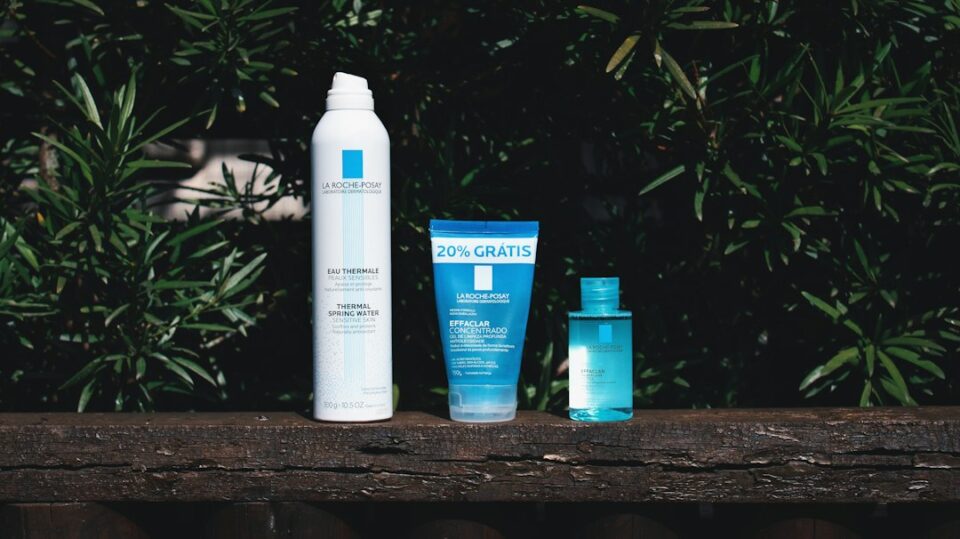
If you’ve been trying to calm congestion without sacrificing comfort, a non-comedogenic skincare routine is one of the most reliable ways to lower the chance of clogged pores while keeping your products enjoyable to use. This guide turns that idea into everyday steps you can follow, with ingredient shortlists, labels explained, a 30‑day transition plan, and realistic checklists you can reuse.
What “non-comedogenic” really means (and how to use the idea well)
Non-comedogenic is a practical label, not a magic formula. In plain language, it means a product is designed not to clog pores during typical use. Because every face has different oil flow, sensitivities, and routines, no brand can promise the same result for everyone. Still, the label is useful: it steers you toward textures and ingredient blends that tend to sit lighter on the skin surface and rinse or wear off cleanly. Think of it as a compass that points you away from heavier waxes and toward breathable gels, milky lotions, thin serums, and well-formulated oils that don’t linger.
Where people often get stuck is assuming “non-comedogenic” is a single test score. It isn’t. Brands rely on formulation philosophy, ingredient research, small panel tests, and user feedback. Two products can both say non-comedogenic yet feel very different. That’s why this article pairs the idea with concrete filters you can control: texture, ingredient patterns, and layering strategy. Used together, those filters help you assemble a routine that’s consistent and forgiving—even when life gets messy.
You’ll also see “comedogenic rating” lists online. These attempt to score raw ingredients on their tendency to congest pores. They can be a helpful clue, but they aren’t a perfect predictor once ingredients are blended, stabilized, and used in tiny amounts. Treat such lists as hints, not hard rules. Your skin’s daily context—weather, sweat, makeup, sunscreen, shampoo runoff—matters just as much.
non-comedogenic skincare routine: your 12‑point quick checklist
Use this as a dashboard you revisit every few weeks. You don’t need every item from day one; the goal is steady, low-friction progress.
- Pick a gentle, low-residue cleanser that rinses clean without a tight feel.
- Introduce a humectant-rich serum (glycerin, hyaluronic acid, panthenol) for light hydration.
- Layer a breathable moisturizer—gel-cream or milk-lotion textures shine here.
- Choose a lightweight, non-greasy sunscreen you enjoy wearing daily.
- Use makeup labeled “non-comedogenic” or “oil-free” and remove it fully each night.
- Add a leave-on exfoliant no more than a few times weekly if your skin tolerates it.
- Patch test any new product on a small area for several days before full use.
- Limit fragranced hair products touching the face; tie hair back during workouts.
- Swap pillowcases and face towels frequently; keep phone screens cleaned.
- Keep a simple log: product, date started, any notes on feel and look.
- Adjust amounts by zone (less in the T‑zone, more on cheeks) rather than changing categories.
- Reassess when weather, work, or travel patterns shift.
Build the core routine: AM and PM that work on busy days
Consistency beats complexity. This section offers a baseline morning and evening flow you can keep even when travel or stress interrupts your schedule. The textures suggested are chosen to feel comfortable on most combination and oilier complexions, while still welcoming for drier areas when layered thoughtfully.
Morning (about 3–5 minutes)
- Cleanse (optional, based on feel): If you woke up comfortable, a splash of lukewarm water may be enough. If you feel a film, use a low-foam gel or a milk cleanser that rinses easily. A dime-sized amount typically covers the whole face; rinse until the slip is gone.
- Humectant layer: Apply a thin, even layer of a glycerin or hyaluronic acid serum. Press, don’t rub, to minimize friction. If you’re in a dry climate, apply to slightly damp skin to help the serum spread and feel bouncier.
- Moisturize: Choose a gel-cream or light lotion with ingredients such as squalane, panthenol, beta-glucan, and cholesterol that support comfort without heaviness. Two pea-sized dots often suffice for the whole face; add a targeted third dot to cheeks if they feel tight.
- Sunscreen: Finish with a lightweight formula you like. Gel-cream or milk textures with modern filters tend to sit smoothly and feel less greasy. Select the one you’ll wear generously and reapply as needed. Give it one to two minutes to set before makeup.
Evening (about 5–7 minutes)
- Remove the day: If you wear makeup or sunscreen, start with a gentle cleansing step that lifts residue. Balm-to-milk cleansers, micellar water, or light oil cleansers that emulsify well can help. Follow with your regular cleanser if needed and tolerated. The test of success is minimal rubbing and clean-rinsing feel.
- Hydrate: Reapply your humectant serum or use a watery essence. Focus on areas that feel rougher or tighter, and don’t hesitate to adjust the dose by zone.
- Condition the skin: Apply your gel-cream or milk-lotion. On drier patches, dot a second layer only where needed to avoid overloading oilier zones. This zoning approach preserves comfort without a coated sensation.
- Optional targeted care (a few nights weekly): If your routine includes a gentle leave-on exfoliant, keep it to low frequency and watch comfort cues. Pair the next night with extra hydration and a plain moisturizer.
That’s it. The most sustainable routines are short and predictable. If your base is dialed in, you can add or subtract without losing momentum.
Ingredients to favor (and ones to limit) in a pore-friendly plan
Ingredients are tools. The best tools for a non-comedogenic approach feel light, absorb without residue, and pair well so they don’t require extra layers to feel complete. Below are common ingredient families grouped by how they tend to behave inside a routine focused on breathable comfort.
Often helpful in lighter routines
- Humectants: Glycerin, hyaluronic acid, sodium PCA, panthenol. These pull water toward the skin’s surface for a plump, comfortable feel without waxy weight.
- Light emollients: Squalane, caprylic/capric triglyceride, hydrogenated polydecene, hemisqualane. These smooth the surface with a dry-touch finish and rarely feel occlusive when used in balanced formulas.
- Barrier-supporting helpers: Ceramides, cholesterol, fatty alcohols like behenyl alcohol (distinct from drying alcohols), and beta-glucan can improve comfort signals and reduce the look of roughness.
- Soothing extracts: Centella asiatica, green tea, oat derivatives (beta-glucan, avenanthramides), bisabolol, allantoin, and licorice root are commonly used for calmer-feeling skin.
- Exfoliation families (use gently): Polyhydroxy acids (gluconolactone, lactobionic acid) are often the friendliest, followed by well-formulated lactic or mandelic acid at modest strengths. Start low, go slow, and balance with hydration.
Texture families to approach carefully
- Heavy waxes and pastes: Some thick balms or waterless formulas can sit densely on the surface. They may be fine as a spot occlusive on very dry areas but can feel suffocating overall if layered widely.
- Certain butters and rich oils in higher amounts: Cocoa butter, coconut oil, or wheat germ oil may feel plush yet linger for a long time. In small, well-balanced blends they can be fine; in richer layers they may not be the easiest fit for congestion-prone complexions.
- Highly fragranced leave-ons touching the face: Fragrance is often a preference issue, not a rule. If you enjoy scented formulas, choose balanced, lighter blends and watch how your skin responds over several weeks.
Remember: the whole formula matters. A product containing a heavier ingredient in a tiny amount, balanced by light emollients and humectants, can still wear beautifully. The best signal is how your skin looks and feels over time with consistent use.
How to read labels and evaluate “comedogenic ratings” without overthinking
The front label is a headline; the ingredient list is the story. Use both. Here’s how to scan quickly and decide whether to sample, skip, or star a product for your shortlist. This approach keeps shopping focused and helps you avoid impulse purchases that sit on the shelf.
- Start with texture and finish: Look for keywords like gel, gel-cream, milk, lotion, oil-in-water, water gel, fluid. Phrases like “lightweight,” “quick-absorbing,” and “breathable finish” can be good clues.
- Scan the top third of the ingredient list: That’s where the base is. Water, humectants (glycerin), light emollients (squalane, hydrogenated polydecene), and film formers that don’t feel plasticky often indicate a comfortable wear.
- Note stabilizers and silicones: Ingredients such as dimethicone or cyclopentasiloxane can give glide without heaviness and are widely used in non-comedogenic designs. Personal preference applies; many find them helpful for a smooth feel and improved makeup laydown.
- Consider sample sizes: Travel minis or sample cards let you test texture and wear-time without a big commitment.
- Patch test methodically: Apply to a small area along the jaw or behind the ear for several days. Take notes on feel, sheen level during the day, and any unusual roughness. Expand if it stays comfortable.
- Treat rating lists as hints: Ingredient “scores” are at best rough guides. Once blended and used at specific percentages, behavior can change. Your observations over two to four weeks matter far more.
When comparing two options that both claim “non-comedogenic,” choose the one you are most likely to use daily. The best product on paper won’t help if you avoid it because of texture or scent. Your enjoyment is a real, useful signal, and using a good product consistently beats a “perfect” one that never leaves the shelf.
A realistic 30‑day transition plan (so your skin can settle into the new flow)
Routines settle best when you give them room. This plan spaces out changes so you can notice what helps without overwhelming your skin or your schedule. Feel free to slow down further if you prefer an even gentler approach. The timelines below use simple check-ins so you can adjust amounts or frequency before making big product swaps.
Days 1–7: Stabilize the base
- Introduce or confirm a gentle cleanser and one humectant serum you enjoy. Keep moisturizer and sunscreen the same as last week if they’re already comfortable.
- Track how your skin feels midday: tight, balanced, or coated. Adjust the amount of humectant or moisturizer accordingly.
- Note makeup wear-time and how easily everything washes off at night. If removal takes more than two gentle passes, refine your cleansing step.
Days 8–14: Optimize comfort
- Swap your moisturizer if midday sheen or tackiness bothers you. Aim for a gel-cream that sets within a few minutes and leaves a soft-to-the-touch finish.
- Trial a new lightweight sunscreen if your current one feels heavy. Give it three to five wear days before judging texture, cast, and reapplication behavior.
- Begin your log if you haven’t: product name, date, a 1–5 comfort score, and a short note on appearance.
Days 15–21: Optional refinement
- If you’re curious about a gentle leave-on exfoliant, add it two nights this week. Pair the next night with extra hydration and a plain moisturizer.
- Evaluate makeup removal: everything should lift with minimal rubbing. If not, adjust your cleansing step or try a different texture for your first cleanse.
Days 22–30: Consolidate
- Keep the winning formula steady. Resist the urge to add three new products just because you’re excited.
- Review your log for patterns: which combinations felt best on workdays, gym days, or travel days? Keep those pairings on a sticky note for quick reference.
- Set a reminder to reassess in another month when the weather or your schedule shifts.
A sample weekly rhythm you can copy
Here’s a practical snapshot to show how a gentle exfoliant can live alongside a steady base. Adjust days to match your calendar.
- Mon–Wed AM: Water rinse or gentle cleanse → humectant serum → gel-cream → lightweight sunscreen.
- Mon–Wed PM: Removal → gentle cleanse → humectant layer → gel-cream.
- Thu PM: Removal → cleanse → optional very gentle leave-on exfoliant → plain gel-cream.
- Fri AM: Same as earlier in the week; let sunscreen settle an extra minute before makeup.
- Fri PM: Removal → cleanse → humectant → gel-cream (skip exfoliant tonight).
- Weekend: Keep it light—rinsing or gentle cleanse, humectant, moisturizer, sunscreen. Add a drop of squalane on dry corners if needed.
Lightweight sunscreen that plays well with makeup and humid weather
Sunscreen is part of daily comfort and future-facing care. The challenge is finding one that sits thinly, looks great under makeup, and feels pleasant a few hours in. Texture matters more than ever here, especially if you live in a humid climate, commute by bike, or move between air-conditioned offices and warm outdoors.
- Texture cues: Gels, milks, and fluid lotions tend to layer best. Many modern formulas use filters and film formers that dry down to a soft finish and resist pilling under makeup.
- Finish goals: If you’re oily, look for “soft-matte” or “natural finish.” If you’re on the drier side, “dewy” or “hydrating” can keep things comfortable without feeling slick.
- Makeup pairing: Let sunscreen settle for a couple of minutes before makeup. If pilling occurs, reduce friction when applying or switch to a more fluid base. A damp sponge can help blend without dragging.
- Reapplication strategy: Stash a travel tube or a cushion-style reapplication product for midday top-ups when practical. If you wear base makeup, a thin layer pressed on with a soft puff is often more seamless than rubbing.
There’s no single winner for everyone—your winner is the one you’ll wear generously, reapply when you can, and enjoy enough to keep using through all seasons.
Makeup inside a pore-friendly plan: selection, layering, and removal
Makeup can work harmoniously with a pore-friendly routine. The key is selecting comfortable textures, applying thin layers, and making removal easy each night. If base products stay on the face because they’re hard to wash off, even the lightest moisturizer can feel heavier than it should.
- Base products: Tinted moisturizers, skin tints, and light foundations marked “non-comedogenic” or “oil-free” tend to feel lighter. Build coverage with thin layers instead of one heavy coat. If you need more coverage, target only the areas that need it with a small brush.
- Powders: Finely milled, breathable powders can reduce midday shine without a cakey buildup. A small, soft brush prevents over-application, and a light tap removes excess from the bristles before touching the face.
- Color: Cream or gel formulas for blush and bronzer can melt into the base without adding texture. Dab with one or two fingertips then diffuse with a sponge to avoid moving your sunscreen.
- Removal: Choose a method you look forward to—balm-to-milk, gel-to-milk, micellar water plus rinse. The test of success is how easily your base disappears without scrubbing. If you see lingering tint on your towel, adjust your first cleanse.
One small habit change has an outsized payoff: hands-off during the day. Touching your face moves oil, pigment, and micro-debris around. Use a tissue if you need to blot, and keep a small hand sanitizer nearby to lower transfer when you do have to touch up.
Everyday habits that quietly support clearer-looking skin
Skincare isn’t just bottles. Fabrics, devices, and daily routines shape the surface environment of your skin. Here are low-effort habits that tend to help and are easy to sustain, even when work is demanding.
- Textiles and contact surfaces: Swap pillowcases every few days, especially after hair-wash days. Keep a stack of soft face towels and use once per cleanse to avoid re-depositing residue.
- Hands and phones: Wash hands before skincare; wipe phone screens with a gentle cleaner. These small steps lower incidental transfer from fingers and devices.
- Hair care proximity: Leave heavier hair creams and sprays from mid-length down and avoid brushing them forward over the face. During workouts, tie hair back and bring a clean headband.
- Workout and sweat: Rinse with lukewarm water after exercise if a full cleanse isn’t possible. A quick, gentle rinse can help remove salt and surface oils without over-cleansing.
- Food and hydration: Different people notice different patterns. A varied, colorful diet and regular hydration support general well-being, which often shows up in the way skin looks and feels.
- Sleep and stress care: Predictable sleep and simple wind-down rituals can make sticking to your nightly routine feel easier and more enjoyable.
If you want more step-by-step skincare articles, you can browse our internal collection at inhealthtoday.com’s Improve Skin category for additional routines and practical examples.
Troubleshooting: when results feel mixed or slow
Progress isn’t always linear. The skin’s surface can look different from week to week based on weather, hormones, travel, or even laundry detergent changes. Here’s how to adjust thoughtfully when your mirror sends mixed signals. Use these patterns to decide what to change first, and give each change a week before judging.
- If you see more mid-day sheen: Reduce the amount of moisturizer rather than removing it. Try applying a touch less on oilier zones and leaving normal-to-dry areas as-is. A blotting paper at lunch can help without disturbing your base.
- If makeup looks textured: Press your humectant serum into damp skin, wait an extra minute before sunscreen, and use a thinner layer of base product. Consider switching to a more fluid sunscreen or a different primer finish.
- If a new product feels irritating: Pause it and return to the last comfortable setup. Reintroduce later at a lower frequency, or try a different texture that meets the same need.
- If pores look more noticeable: Sometimes very light exfoliation two or three times weekly can help the surface look smoother. Pair those nights with a plain moisturizer and skip actives the next evening.
- If you keep forgetting steps: Place products where you already stand each morning and night—next to the toothbrush, by the kettle, or on your desk for a midday reapplication cue.
Fast answers to common questions
Do I need to replace every product at once? No. Swap the products that feel heaviest or least comfortable first. Many routines feel calmer after changing just a cleanser and moisturizer.
Are silicones bad for pores? Silicones like dimethicone are widely used to improve glide and water resistance. In balanced formulas and reasonable amounts, many people find them comfortable. Your experience matters most—judge by wear and removal.
How do I know if something is “too rich” for me? Signals include a persistent coated feeling, difficulty washing the product off, or makeup sliding sooner than usual. Try less product, a lighter layer on oilier zones, or a different texture family.
What if my skin is both oily and tight? That combination often responds well to humectants plus light emollients. Build your routine around hydration first, then add thin emollient layers only where you feel tightness.
Can I use facial oils? Yes, if you enjoy the feel. Choose lighter oils or oil blends and keep amounts small. A drop pressed into dry patches can add flexibility without blanketing the whole face.
Budget, sustainability, and refills: how to keep this doable long term
A non-comedogenic approach doesn’t require a premium shelf. It requires clarity. Here’s how to spend wisely and reduce waste without sacrificing comfort or ease of use. Think of your routine like a capsule wardrobe: a compact set of pieces that mix well, cover most situations, and don’t create clutter.
- Prioritize touchpoints: Cleanser and sunscreen are daily anchors; invest in textures you love here first. Humectant serums and gel-creams often perform great at a wide range of prices.
- Buy smaller to learn faster: Travel sizes shorten the feedback loop and reduce unused leftovers. Once you love something, move to standard or refill sizes to cut cost per use.
- Refill culture: Many brands now offer pouches or cartridges. Besides reducing plastic, refills often cost less per use and take up less cabinet space.
- One-in, one-out rule: Keep your lineup lean by replacing a category only when you’ve finished (or decided to donate) a current option. This curbs clutter and helps you really understand what works.
- Use-by dates: Note the PAO (period-after-opening) symbol. If a texture, smell, or color changes, it may be time to let it go.
You don’t need an expansive cabinet. You need a small set of products you trust. That simplicity frees your attention for the parts of life that matter most and makes your routine easy to repeat.
Seasonal and travel adjustments without starting over
Weather shifts, indoor heating, cabin air, and humidity changes all affect how products feel on the skin. Keep your base routine and make micro-adjustments rather than rebuilding from scratch. Small tweaks based on climate and schedule will carry you through most conditions.
- Colder months: Add a drop of squalane or a richer gel-cream on cheeks and around the mouth. Keep the T‑zone lighter. Humidifiers can make the whole routine feel better with less product.
- Warmer months: Swap to more fluid textures, and check that your sunscreen still feels pleasant under sweatier conditions. Carry blotting papers if shine bothers you, and reapply sunscreen with a cushion or stick.
- Air travel: Decant your routine into refillable minis. Mid-flight, mist with a simple, alcohol-free spray then press on a thin humectant layer to re-soften. Avoid heavy layers right before boarding.
- New climates: Give yourself a week to adjust. Let comfort lead—add or subtract layers based on feel rather than sticking rigidly to old amounts.
Think of your routine as a kit you can tune, not a fixed formula. That mindset keeps the process easy across seasons and trips and lowers the chance of overcorrecting when conditions change.
Patch testing and pacing for safe exploration
Curiosity is part of the fun. The safest way to explore is to change one variable at a time and watch for comfort signals. A patient approach reduces confusion if something doesn’t feel right and makes it easier to identify your personal sweet spots.
- Patch testing basics: Apply a small amount of the new product to a discreet area once a day for several days. If the area feels normal, expand slowly to the whole face.
- Frequency setting: Start every other day or even twice weekly for leave-on actives. Many products show benefits at lower frequency than you’d expect.
- Mixing new textures: When adding a richer product, confine it to drier patches at first. For light, watery products, watch for pilling—slow down and let layers settle between steps.
- Keep notes: Write the date you began and any comments about feel, look, or ease of removal. Simple notes make better decisions possible and help you avoid repeating experiments that didn’t suit you.
There is no rush. Thoughtful pacing turns experimentation into learning rather than guesswork and keeps your routine feeling calm and predictable.
Putting it all together: scenarios and decision cues
Abstract advice becomes easier when you can picture real days. Use these quick scenarios as mental checklists. They show how to apply the same principles with small shifts to amounts, textures, or order.
- Office day with back-to-back meetings: Keep morning layers thin and allow each to set. Choose a natural-finish sunscreen that doesn’t need powder to feel comfortable. Keep a small blotting paper pack and a tinted balm for quick touch-ups.
- Workout morning: Do a water rinse only before the gym so your sunscreen and sweat don’t have to fight through a fresh moisturizer. Post-workout, rinse and complete your AM routine with humectant, light moisturizer, and sunscreen.
- Late night, low energy: Use a single-step cleanser (micellar + rinse or gel-to-milk) to remove the day, then apply humectant and gel-cream. Park those items next to your toothbrush so you’re less likely to skip.
- Unexpected breakout cluster: Don’t overhaul everything. First, reduce the amount of moisturizer on oilier zones and ensure makeup removal is easy. If you recently added an exfoliant, drop the frequency for a week and focus on comfort.
- Dry patch flare on cheeks: Press in an extra layer of humectant on damp skin at night, then dot a light emollient (like squalane) over only the dry area. Keep the T‑zone routine unchanged so it doesn’t feel heavy.
These small, targeted adjustments keep your routine adaptable without becoming complicated. Over time, you’ll build instincts about which lever—amount, texture, or frequency—to move first.
Final notes you can pin to your mirror
- Non-comedogenic is a direction, not a certainty—your preferences and consistency make it work.
- Keep your core simple: a gentle cleanse, humectant, breathable moisturizer, and sunscreen you like.
- Watch textures and amounts before changing categories of products.
- Test new ideas slowly and keep brief notes; patterns appear faster than you’d think.
- Protect your momentum by storing products where you’ll use them and by choosing textures you genuinely enjoy.
When a routine is light, breathable, and easy to repeat, it quietly supports a clearer, calmer look over time. The goal isn’t perfection; it’s a set of comfortable habits you can keep on ordinary days and busy ones alike.