If you are ready to move but want to protect your joints and start at a manageable pace, low impact workouts for beginners are a reliable path to build fitness without overwhelming your body or schedule.
This complete starter guide shows you how to begin, how to progress, and how to enjoy the process. You will learn what “low impact” really means, how to warm up, the safest cardio and strength choices, a week-by-week plan for twelve weeks, and how to monitor progress without obsessing over numbers. It’s designed for living rooms, small spaces, and busy lives. Along the way, you’ll find checklists, technique cues, and simple modifications so you can adapt the plan to your energy levels. If you want additional reading on exercise topics, you can explore our Exercise and Sports hub at inhealthtoday.com/exercise-and-sports.
low impact workouts for beginners: What “low impact” really means in practice
“Impact” describes how much repetitive force your body absorbs in each step, jump, or landing. Activities like running, box jumps, and skipping rope load your joints with higher forces. Low impact movements reduce those forces by favoring rolling, stepping, gliding, and controlled transitions over jumping and hard landings. You still work your muscles and lungs, but you place less stress on knees, hips, ankles, and the spine.
Think of impact as the sharpness of a movement. One way to soften that sharpness is to keep at least one foot on the floor during cardio. Another is to change direction more gradually and use a wider base of support. For strength work, low impact often means controlled tempo, shorter ranges at first, and supportive tools such as chairs, walls, and resistance bands. The payoff is consistency. When a plan feels doable, you can repeat it week after week, and that consistency is what drives improvement.
Low impact is not a downgrade; it’s a design choice. Many athletes use it when building back after a layoff or during busy seasons. Office workers use it to offset long sitting hours. Parents use it because it’s quiet enough for sleeping kids in the next room. Beginners use it to learn form without the distraction of pounding feet. If you pick the right exercises and progress slowly, low impact training can build real strength, real stamina, and real confidence.
Low impact workouts for beginners: benefits and what to expect
Because you reduce repetitive pounding, you can spend more time practicing technique. That means cleaner movement patterns: a deeper squat with good posture, a hinge without rounding, a steady march without wobbling hips, and a plank that teaches steady breathing. When your form improves, the same movements become smoother and more efficient. You’ll likely notice everyday tasks feel easier: carrying groceries, climbing stairs, sitting down and standing up, or walking at a brisk pace.
Here’s what most beginners can expect over twelve weeks when they follow a joint-friendly plan:
- Week 1-2: Learn the shapes and tempo. You’ll feel more coordinated as you repeat the same warm-ups and core exercises. Expect light muscle soreness that fades within 24-48 hours.
- Week 3-6: Breathing and balance improve. Your resting heart rate may dip slightly, and walking at a fast pace feels less taxing. Strength movements feel more stable.
- Week 7-12: Capacity grows. You can add light resistance, extend intervals, or increase total sets without feeling overwhelmed. Recovery between sessions feels quicker.
Benefits show up outside the sessions too: steadier energy, better posture while working, and more awareness of how you stand, walk, and lift. Because low impact sessions are manageable, they fit into real life without draining your reserves. That fit is the secret to staying with it.
Safety first: how to assess your baseline
A good starting point prevents overshooting your current capacity. Here’s a quick self-check that takes five minutes.
- Talk test: Walk in place for one minute. If you can speak in short phrases, you’re in a comfortable zone. If you can only say a word or two, slow down.
- Range of motion: Perform five slow sit-to-stands from a chair. Note if your knees track over your toes, if your heels stay grounded, and if your back stays tall. If any part feels shaky, keep your range small at first.
- Balance: Stand on one leg near a wall or chair. Count five slow breaths, then switch. If you wobble, lower your breath count and keep a finger on the wall as an anchor.
- Breathing: Place a hand on your ribs and breathe in for four counts, out for six, for five cycles. If you feel breathless, reduce the count to in for three and out for four.
Use these notes to scale your first workouts. If stairs leave you winded, start with shorter cardio intervals. If your knee complains at deeper bends, work a shallow range and spend extra time on the warm-up. It’s not heroic to rush; it’s wise to layer small wins.
The 12-week low-impact starter plan
Below is a simple, progressive program. Each session fits in 25-40 minutes, three to four days per week. You can repeat weeks if a step feels challenging. The plan alternates cardio-focused and strength-focused days, with flexibility sessions woven in.
Weekly rhythm
- Day A (cardio + core): Warm-up, gentle intervals, core finisher
- Day B (strength): Warm-up, full-body strength circuit
- Day C (mobility + balance): Warm-up, longer mobility flow, balance drills
- Optional Day D (active recovery walk): Comfortable pace 20-30 minutes
Weeks 1-2: Find your rhythm
- Warm-up (7 minutes): March in place 2 minutes, shoulder rolls 10 per side, hip circles 8 per side, cat-cow 6 slow reps, ankle circles 10 per side.
- Cardio intervals: 4 rounds of 45 seconds easy step-touches + 45 seconds march in place. Pace that allows short phrases.
- Strength circuit: 2 rounds of 8-10 sit-to-stands, 8-10 incline wall push-ups, 20-second plank on knees, 8-10 hip hinges with hands on hips. Rest 60-90 seconds between rounds.
- Mobility: 6-8 kneeling hip flexor pulses, 6-8 thoracic rotations, 30-second calf stretch each side.
Weeks 3-4: Add time
- Cardio: 5 rounds of 60 seconds brisk step-overs (step over an imaginary line) + 60 seconds low step-back lunge taps. Keep at least one foot down.
- Strength: 3 rounds of 10 sit-to-stands, 10 wall push-ups, 10 band rows (if you have a light band), 10 hip hinges. Optional: light band lateral walks 10 steps each way.
- Mobility: Add 1 minute of controlled shoulder CARs (controlled articular rotations) and 30 seconds of single-leg balance per side with a wall touch.
Weeks 5-6: Introduce light resistance
- Cardio: 6 rounds of 60 seconds fast march + 30 seconds side-to-side low skaters (no hop), 30 seconds recovery march.
- Strength: 3 rounds of 10-12 chair squats, 10 elevated push-ups on a countertop, 12 band rows, 10 hip hinge-to-reach (reach arms forward at the top), 20-30 seconds tall kneeling plank.
- Mobility: 10-12 world’s greatest stretch (gentle range), 45-second calf/hamstring combo stretch per side.
Weeks 7-8: Increase sets or intervals
- Cardio: 7 rounds of 60 seconds brisk march + 45 seconds low step-back lunge taps + 30 seconds recovery march. Adjust pace to keep breathing steady.
- Strength: 3-4 rounds of 12 chair or box squats, 10-12 elevated push-ups, 12-15 band rows, 12 hip hinges, 8-10 band presses (standing), 25-35 seconds plank.
- Mobility: Add 1 minute of gentle spinal wave practice and 45-second hip capsule stretch per side.
Weeks 9-10: Slightly longer sessions
- Cardio: 8 rounds of 75 seconds march + 45 seconds low skaters (no hop) + 30 seconds recovery march.
- Strength: 4 rounds of 12-15 chair squats, 12 elevated push-ups, 12-15 band rows, 12 band deadlifts (stand on the band), 10-12 band presses, 30-40 seconds plank.
- Mobility: 2 minutes of shoulder and hip CARs, 60-second thoracic extension over a rolled towel or pillow.
Weeks 11-12: Consolidate and choose a focus
- Cardio: 8-9 rounds of 75 seconds brisk march + 60 seconds low step-back taps + 30 seconds recovery march. Optional: 1-2 rounds of gentle shadow boxing with a soft stance.
- Strength: 4 rounds of 12-15 squats to a target, 12-15 elevated push-ups, 15 band rows, 12-15 band deadlifts, 12-15 band presses, 35-45 seconds plank. Choose one move to prioritize and perform it first.
- Mobility: Flow 8-10 minutes: cat-cow, thoracic rotations, hip flexor pulses, hamstring rock-backs, ankle circles, and a short breathing finish.
Repeat any week that feels useful. The goal is not to rush; it is to build a durable habit that you can stack with other goals later.
Warm-up and mobility: joint-friendly routines
A short warm-up primes your joints, raises your temperature, and sets a calm breathing pattern. The following sequence takes seven to ten minutes and can be reused for every session.
- Breathing reset (1 minute): In through the nose for four counts, out for six. Feel the ribs expand sideways; keep shoulders relaxed.
- Spine sequence (1-2 minutes): Cat-cow 6-8 slow reps; thoracic rotations 4-6 per side; neck circles small and gentle.
- Hips and ankles (2-3 minutes): Hip circles 10 per side; kneeling hip flexor pulses 8 per side; ankle rocks 10 per side.
- Shoulders (1 minute): Shoulder CARs 6-8 per side; scapular wall glides 6 reps.
- March and sway (1-2 minutes): March in place, sway side to side, feel your feet, and keep breathing steady.
After your session, mobility work reinforces ranges you want to keep. Favor brief, frequent sessions over long, rare ones. A good exit flow is a 90-second spine sequence and a calf/hamstring combo stretch. These small investments keep tomorrow’s workout feeling smooth.
The big five moves: technique at a gentle tempo
Low impact strength is easier to master when you follow five core patterns: squat, hinge, push, pull, and carry/brace. Here are simple cues and friendly regressions.
1) Squat (sit-to-stand)
- Cue: Feet shoulder-width, toes slightly out, sit hips back and down, keep knees over mid-foot, press through heels to stand.
- Regression: Use a chair as your target; add a cushion to raise the seat. Hold onto a countertop lightly for balance.
- Progression: Remove the cushion, then lower to a box or couch edge, eventually free-standing air squats.
2) Hinge (hip hinge)
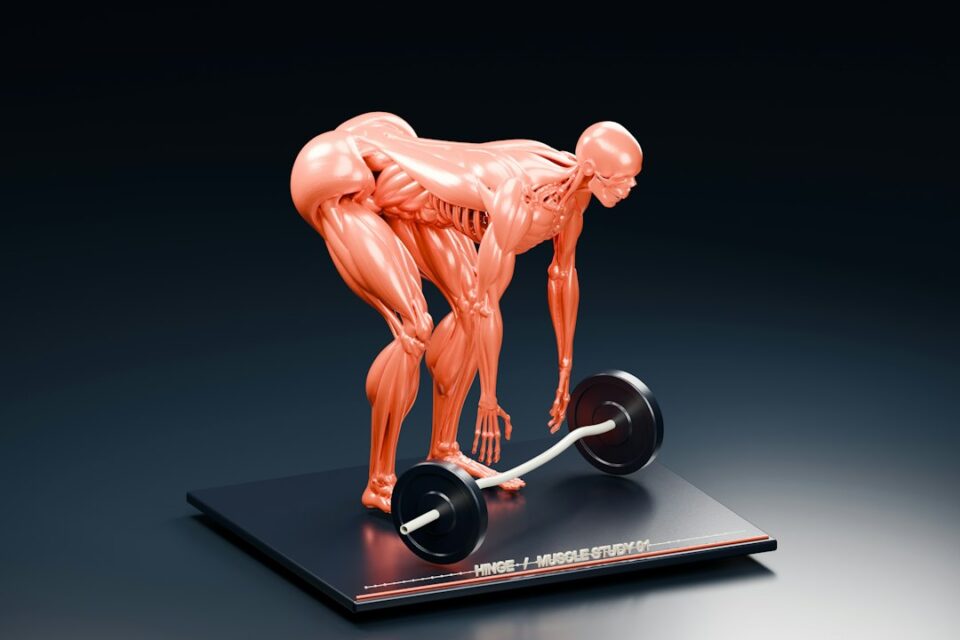
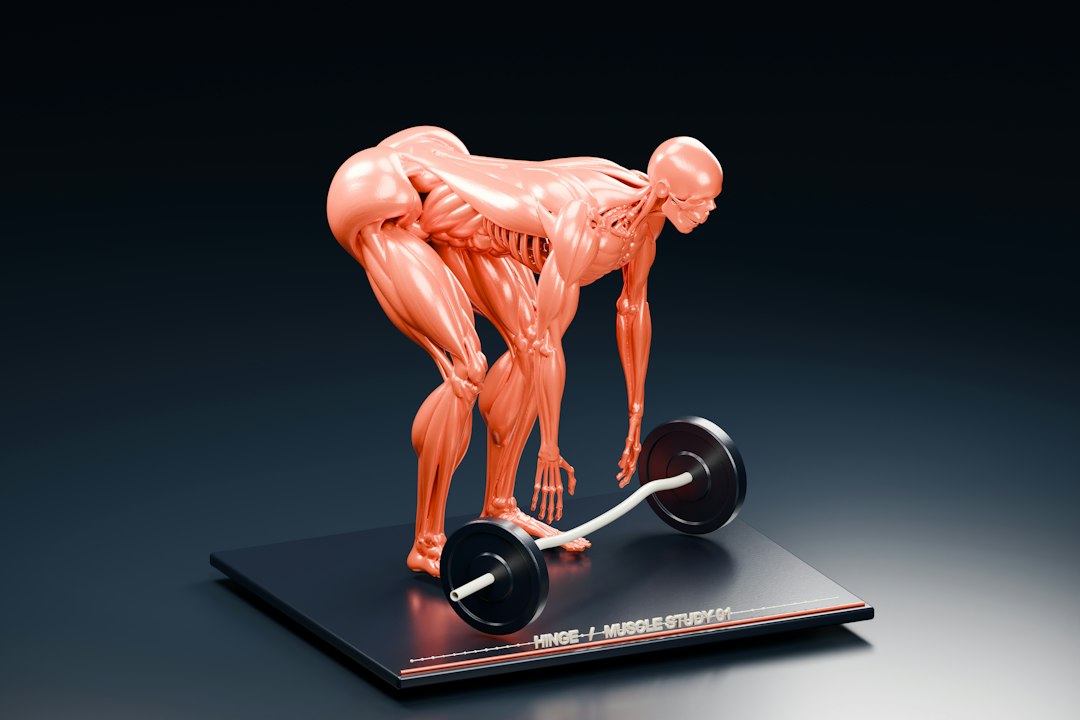
- Cue: Soft knees, chest proud, push hips back like closing a car door with your glutes, stop when hamstrings feel a stretch, return by squeezing glutes.
- Regression: Hands on hips, short range. Keep a wall behind you and touch it lightly with your hips as a guide.
- Progression: Add a band deadlift by standing on a light band, controlling the return each rep.
3) Push (incline push-up)
- Cue: Hands on a wall, counter, or sturdy table. Body in a straight line, ribs down, elbows at 30-45 degrees.
- Regression: Higher surface (wall). Fewer reps, more rest.
- Progression: Lower the surface height gradually as strength grows.
4) Pull (band row)
- Cue: Anchor a light band at chest height. Stand tall, ribs down, pull elbows toward back pockets, feel the shoulder blades glide.
- Regression: Single-arm row with extra support from a wall.
- Progression: Pause for one second at full row and control the return.
5) Carry/brace (plank or suitcase hold)
- Cue: For a plank on knees, press forearms into the floor, keep ribs stacked over pelvis, breathe steadily. For a suitcase hold, hold a light object on one side and stand tall for 20-30 seconds, then switch.
- Regression: Reduce time and use a higher support (e.g., hands on a bench) for planks.
- Progression: Extend time, or shift to tall kneeling plank to challenge posture.
Low impact strength focuses on control more than speed. Free your attention by playing quiet music and keeping reps unhurried. That steady tempo builds muscle coordination and confidence.
Cardio options that go easy on joints
Cardio does not have to mean pounding. These accessible options keep one foot on the floor and emphasize steady breathing.
- Fast marching: Drive the arms, keep feet light, and keep posture tall. Great for apartments because it’s quiet.
- Step-touches and step-overs: Glide side to side or step over an imaginary line, focusing on smooth transitions.
- Low skaters (no hop): A gentle side-step with a soft knee bend replaces the jump; think “slide and tap.”
- Shadow boxing: Soft stance, short combinations, steady breath. Focus on rhythm more than power.
- Stationary cycling or elliptical: If you have access, both are classic low impact tools with variable resistance.
Organize cardio in intervals because it’s easier to scale. For instance, march for 60 seconds and recover for 30. If you can talk in short phrases, you’re in a helpful zone. If you can sing, go a little faster; if you can’t speak, slow down. That’s a simple way to steer without complicated calculators.
Strength without strain: bands and bodyweight
Resistance bands are perfect for beginners. They’re light, inexpensive, easy on joints, and provide variable resistance that increases as the band stretches. Pair bands with bodyweight moves to cover the full body in a compact routine.
Band setup tips
- Choose a light loop for rows and lateral walks; a slightly heavier loop for deadlifts.
- Anchor bands to a closed door with a door anchor, or wrap around a sturdy post at chest height.
- Maintain control: no sudden snaps. Keep the band under tension but avoid jerking.
Bodyweight basics
- Chair squats: Sit and stand with control, adding a brief pause at the seat if helpful.
- Incline push-ups: Adjust surface height so 8-12 reps feel challenging but doable.
- Band rows: Pull to the body softly; feel the back of your shoulders and lats engage.
- Band deadlifts: Stand on the band for light resistance; hinge, stand tall, and avoid shrugging.
- Planks: Short, repeatable holds with steady nasal breathing beat long, shaky sets.
For most beginners, two to three rounds of a five-exercise circuit provide just the right dose. Stop while you still feel crisp rather than exhausted; you’ll recover better and show up again sooner.
Flexibility and balance: short daily sequences
Mobility is about control through useful ranges, not just stretching. Short daily practices help you own those ranges so your cardio and strength sessions feel smoother.
Five-minute mobility micro-session
- Spine: cat-cow 4 slow reps; thoracic rotations 4 per side
- Hips: kneeling hip flexor pulses 6 per side; rock-backs 6 per side
- Ankles and calves: ankle circles 8 per side; 30-second calf stretch per side
- Shoulders: 6 shoulder CARs per side
Balance builders
- Single-leg stand near a wall: 3 sets of 15-30 seconds per side
- Heel-to-toe line walk in your hallway: 2 trips of 10 steps
- Split-stance holds: 2 sets of 20-30 seconds per side, ribcage stacked over pelvis
Balance work pays off quickly because it sharpens your brain’s map of your body. When balance improves, squats feel steadier, hinges feel safer, and your stride during cardio feels more natural. These subtle wins add up.
Recovery, sleep, and nutrition basics for active days
Your workouts are only part of the picture. How you rest and refuel affects how the next session feels. You don’t need a complicated plan—just consistent, simple practices.
- Sleep window: Aim for a consistent bedtime and wake time. Even 30 minutes more sleep can make tomorrow’s workout feel easier.
- Between-session movement: Sprinkle in short movement snacks: a two-minute hallway walk or a quick stretch break every hour you’re at the desk.
- Hydration: Keep a water bottle handy and sip throughout the day. A glass with each meal and one between meals is a simple pattern.
- Fueling: Build meals around a protein source, a colorful vegetable or fruit, a carbohydrate that suits your energy needs, and a little healthy fat. Keep it practical with foods you enjoy.
- Post-session snack: If you feel lightheaded after training, a small snack with protein and carbs helps you feel steady for the rest of the day.
Recovery is also mental. Your plan should feel like it fits your life, not an extra job. Ending sessions with a minute of nasal breathing, a short walk outside, or writing a quick win in your log can shift your mindset from “workout done” to “day supported.”
Tracking progress: simple tools that keep you going
Tracking doesn’t require gadgets. The best tool is the one you’ll use. Here are two minimalist methods, plus a few optional upgrades.
Method 1: RPE scale (Rate of Perceived Exertion)
- After a set or interval, rate how it felt from 1 to 10. A 5-6 feels steady; a 7-8 feels challenging but controlled; a 9 feels very hard. For most sessions, stay in the 5-7 range.
- If your RPE jumps unexpectedly, adjust. Either shorten the interval or reduce the reps. If you feel fresher than usual, you can add a round.
Method 2: Session notes
- Write down date, time, what you did, and one sentence about how it felt. Example: “3 rounds, felt smooth, knees happy.”
- Every two weeks, skim notes to see trends: improved breathing, better balance, or more stability in a specific movement.
Optional tools
- Heart rate zones: If you like numbers, use a simple talk test or a wrist device. Keep easy cardio in a zone where you can speak in short phrases; save harder breathing for brief intervals.
- Step counts: On non-workout days, aim for a personal baseline plus 1,000 steps. Let the number support you, not stress you.
Progress is rarely a straight line. That’s normal. Your log helps you notice wins that scale beyond any single session: steadier mood, fewer afternoon slumps, and a growing sense that movement belongs in your day.
Troubleshooting and modifications: common sticking points
Every beginner runs into small friction points. Here’s how to adjust without losing momentum.
Knee discomfort during squats
- Reduce range of motion and sit to a higher target. Keep weight centered over mid-foot.
- Practice shin-friendly hinges and add more glute work (e.g., bridges) on your non-strength days.
- Spend extra time on ankle mobility. Calf stiffness often limits knee-friendly depth.
Wrist sensitivity with push-ups or planks
- Use fists, wedges, or a rolled towel under the palms. Elevate hands to a higher surface.
- Shorten holds and focus on steady breathing.
Breathlessness during cardio
- Shorten intervals and lengthen the recovery march. Keep steps soft and rhythmic.
- Try shadow boxing with smaller ranges. The rhythm helps breathing settle.
Balance wobbles
- Keep a finger on a wall or chair. Track a spot on the floor with your eyes.
- Shorten the stance or lower the breath count during single-leg work.
Motivation dips
- Shrink the session to ten minutes: warm-up plus one circuit. Show up for that, and call it a win.
- Put your mat where you can see it and schedule sessions like any appointment. Align workouts with times you usually have energy.
Remember: adjustments are part of training. They keep you engaged and moving forward.
Putting it all together: a sustainable beginner routine
Here’s a compact checklist you can print or copy into your notes. Use it to anchor your first month and repeat until it feels automatic.
- Warm-up: Breathing reset, spine sequence, hips and ankles, shoulder CARs, march and sway.
- Cardio (15-18 minutes): Intervals of march, step-overs, low skaters, and recovery march. Keep the talk test as your compass.
- Strength circuit (12-20 minutes): Chair squats, incline push-ups, band rows, band deadlifts, plank.
- Mobility exit (2 minutes): Spine sequence and calf/hamstring stretch.
- Log: One sentence about how the session felt.
After twelve weeks, you will own a toolkit of movements, know how to scale them, and understand how to listen to your breath. That knowledge is portable. You can keep the plan as-is, or evolve toward hiking, cycling, swimming, or light jogging if that appeals to you. Many people also enjoy adding a simple yoga class or a weekend walk with friends to round out weekly movement.
Frequently asked questions
How many days per week should I train? Three to four days works well. If life gets busy, do two and maintain your walk habit in between.
How long should each session last? Twenty-five to forty minutes is plenty. Shorter is fine—consistency beats duration.
Do I need equipment? A chair, a light resistance band, and some floor space cover almost everything in this guide.
What if I’m older or returning after a long break? Start with the first two weeks and repeat them as needed. Emphasize the warm-up, shorter ranges, and controlled tempo. Add time only when sessions feel smooth.
Can I combine walking with this plan? Absolutely. Walking is a natural fit. Add 20-30 minutes on one or two off days at a pace that lets you speak in short phrases.
Next steps and staying curious
Movement is a skill. The more often you practice, the easier it feels and the more benefits you notice. Stay curious about your posture during daily tasks, how your breath changes with pace, and which exercises make you feel most steady. Keep your plan simple and flexible, and give yourself credit for showing up.
If you enjoyed this guide, browse our other exercise articles at the Exercise and Sports section. Use what fits your life, share it with a friend, and keep stacking small wins. Your future sessions will thank you.