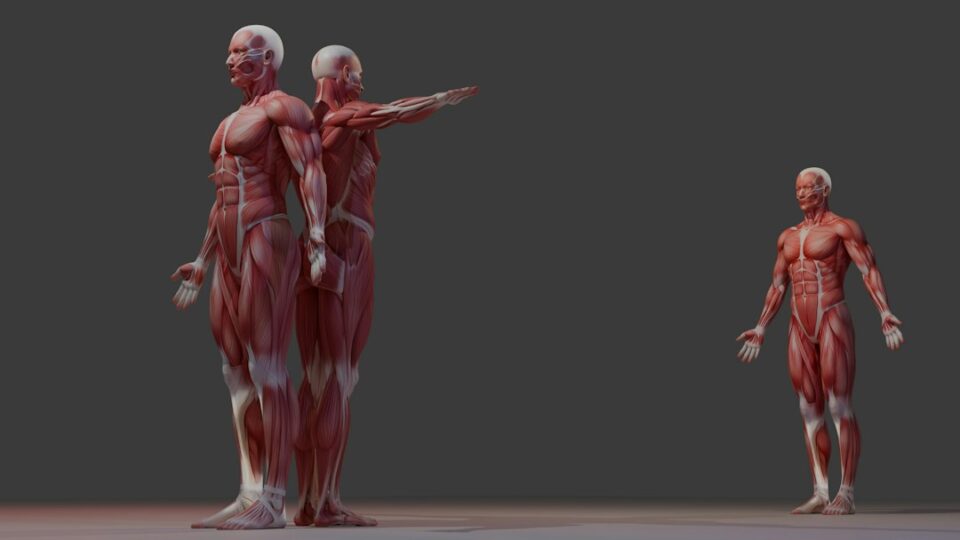
Here is the simple truth about 1 lbs of fat vs muscle: they weigh the same — one pound — but muscle is about 15–20% denser, so it takes up less space. Roughly, 1 lb of fat occupies about 500 ml while 1 lb of muscle is about 430 ml (around a third of a cup less), which is why two people at the same weight can look very different.
If your clothes start fitting better even when the scale barely moves, that size difference is the reason. At rest, muscle also burns slightly more calories per day than fat, but the per‑pound difference is modest; body shape and strength tend to change faster than your total daily burn. The sections below explain how density changes your look and measurements, what realistic timelines look like for losing fat or adding muscle, what to track beyond the scale, and how to pick a plan that matches your goals.
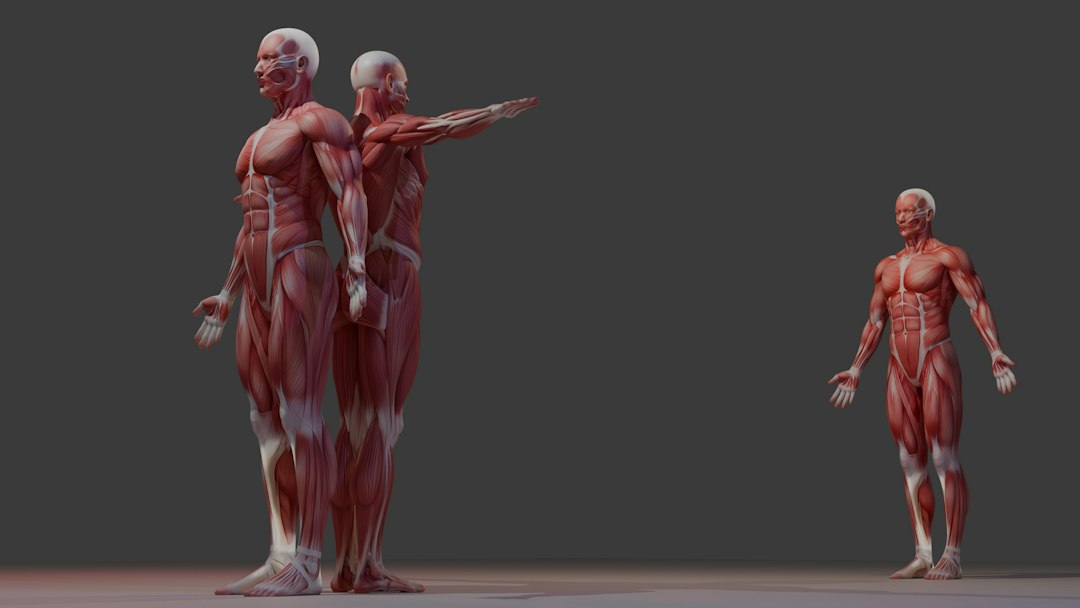
1 lbs of fat vs muscle: the quick answer (size, burn, timelines)
• Same weight: A pound is a pound. One pound of fat and one pound of muscle weigh exactly the same.
• Different size: Density explains the visual change. Typical densities often cited in exercise science are about 0.9 g/ml for fat and 1.06 g/ml for muscle. Convert 1 lb (≈454 g) to volume and you get ≈500 ml for fat and ≈430 ml for muscle. That is roughly 2.1 cups vs 1.8 cups — close to a third of a cup less volume for the same weight.
• Calorie burn reality: Per pound at rest, muscle is commonly estimated around 5–7 calories per day, while fat is around 2–3. That difference helps over time, but it will not overhaul your daily burn on its own. Ten pounds of new muscle might raise resting burn by perhaps 50–70 calories per day — helpful, but still just one part of the picture.
• Realistic timelines: For many adults eating appropriately for their goal and lifting consistently, a sensible fat‑loss pace is about 0.5–1.0 lb per week. Muscle gain is slower: beginners may add roughly 0.25–0.5 lb per week in the first months; intermediates often progress at 0.1–0.25 lb per week; advanced lifters gain even more slowly. Recomposition (losing fat while adding small amounts of muscle) is possible for some people, but the scale may barely move because one change offsets the other.
• Why the scale can stall: Day‑to‑day water and glycogen shifts can move your scale weight by 1–5 lb quickly. A salty dinner, a hard leg day refilling glycogen, menstrual cycle phases, or a late meal can all mask real fat loss or a small gain in muscle. Weekly averages and other progress markers give a truer picture than a single weigh‑in.
Comparison at a glance
| Tissue | Density (g/ml) | Approx. Volume for 1 lb (ml / cups) | Look/Feel | Calories Burned per Day (per lb, rough) | Primary Role | How to Change It (habits that help) | What Progress Looks Like |
|---|---|---|---|---|---|---|---|
| Fat (adipose) | ≈0.90 | ≈500 ml (~2.1 cups) | Softer; tends to distribute in hips, thighs, belly, or back depending on genetics and sex | ≈2–3 | Energy storage, insulation, cushioning | Calorie deficit, regular activity, resistance training to keep muscle, adequate protein, consistent sleep | Waist/hip/arm measurements trend down, clothes fit looser, scale usually goes down over time |
| Muscle (skeletal) | ≈1.06 | ≈430 ml (~1.8 cups) | Firmer; adds shape at shoulders, chest, thighs, and glutes; more “filled” look at same weight | ≈5–7 | Movement, posture, strength, storing glycogen | Progressive resistance training, slight calorie surplus or well‑timed maintenance, higher protein, recovery | Measurements in trained areas may increase while waist shrinks, strength/reps rise, definition improves |
Why size differs: density, volume and how it looks
Muscle fibers are tightly packed contractile proteins surrounded by less extracellular space; adipose tissue is largely lipid droplets stored inside adipocytes with more non‑contractile space between cells. That is why muscle’s density is higher than fat’s. Translate density to the mirror and tape measure and the difference becomes obvious: swap a pound of fat for a pound of muscle and your circumference measurements typically drop in places where fat used to push outward, while trained muscles add shape without adding as much bulk.
Think through real‑world fit. At the same body weight, someone with more muscle mass and less fat mass often has a smaller waist and hips, fuller shoulders and thighs, and a firmer overall look. Jeans may fit better through the waist while feeling more snug at the quads; shirts may drape flatter at the midsection but fill out the upper back. None of that requires a huge scale change because you are trading lower‑density tissue for higher‑density tissue.
Distribution also matters. Typical patterns differ across individuals: some carry more fat in the abdominal area, others around hips and thighs. When you gain muscle in specific regions (for example, glutes and back), the visual change is targeted because muscle growth is local to the trained area, whereas fat loss is global and reflects an overall energy balance, not a single exercise for one body part.
What this means for your goals: weight loss, recomposition, or muscle gain
Three common paths make sense, depending on your starting point and priorities.
- Fat loss (primary goal): You want smaller measurements, looser clothes, and lower body fat. You will likely eat in a modest calorie deficit, lift to keep muscle, and move daily. The scale generally trends down week to week.
- Body recomposition: You want to look and perform better without fixating on scale weight. Intake often hovers around maintenance, with higher protein and progressive lifting. The scale can stay flat as waist size drops and strength climbs.
- Muscle gain (hypertrophy focus): You are comfortable with a small, controlled weight increase for more size and strength. You will lift hard, aim for a slight calorie surplus, and monitor waist measurements to keep fat gain in check.
Use this simple decision guide:
- If your waist measurement or body fat percentage is higher than you like, start with fat loss for 8–12 weeks, then reassess.
- If you are within a comfortable size range but want more shape and strength, try recomposition for 12+ weeks.
- If you are leaner already and chasing strength or fuller muscles, run a muscle‑gain phase for 8–16 weeks while monitoring your waist.
Manage expectations. Most people can sustainably lose about 0.5–1.0 lb per week on average. Muscle grows slower, often measured in reps added or tiny increases in circumference where you train, not big weekly weight jumps. This is why relying only on a scale misses the real story of composition changes.
Related reading to plan your training phases: build your base with resistance training, and consider intervals from HIIT for weight management when time is tight.
How to track progress beyond the scale
Low‑cost, high‑clarity methods:
- Tape measurements: Every two weeks, measure waist (at the navel), hips (widest part), thigh (mid‑thigh), chest (nipple line), and arm (mid‑bicep). Take the average of two readings each time.
- Progress photos: Same lighting, same distance, same poses, once every 2–4 weeks. Front, side, and back. Photos reveal posture, shape, and definition that a scale cannot.
- Clothes test: Pick one pair of jeans or a work shirt and note how the waistband or buttons feel once a week under similar conditions (time of day, before a meal).
- Strength/performance: Track reps, sets, and loads. If your lifts are rising while your waist is steady or shrinking, that is composition progress.
Devices and scans:
- Smart scales (BIA): Bioelectrical impedance scales estimate body fat by sending a small current through the body. They are quick and easy, but hydration, meal timing, and temperature can skew readings. Best use: watch trends, not single numbers.
- Skinfold calipers: When used by a trained practitioner, repeated readings at set sites can track changes over time. Learning proper technique matters.
- DEXA scans: Dual‑energy X‑ray absorptiometry provides a snapshot of fat, lean mass, and bone density by region. Sessions are usually brief; frequency for most people might be a few times per year at most. Check local providers for details.
Build a simple routine:
- Weigh in 3–4 mornings per week under the same conditions; keep a weekly average.
- Record five tape measurements every other week.
- Take photos every 2–4 weeks.
- Log workouts each session.
Quick progress checklist you can trust when the scale is bouncy:
- Waist and hip measurements trend down over 2–4 weeks.
- Clothes feel looser at the waist or sleeves fit more naturally.
- Strength or reps improve in key lifts.
- Weekly average weight is stable or slightly down while you look leaner in photos.
- Energy and recovery feel steady across the week.
For a deeper dive on size, calories, and tracking, compare this guide with our companion explainer: 1 lb of fat vs 1lb of muscle.
Common myths and mistakes to avoid
Myth: “Muscle weighs more than fat.” A pound is a pound. The confusion comes from density — muscle takes up less volume at the same weight, so it looks “heavier” for the space it uses.
Myth: “You can turn fat into muscle.” These are different tissues. With training, nutrition, and time, you can add muscle and reduce stored fat, but one does not convert into the other.
Myth: “If you do ab exercises, you will shrink belly fat.” Spot reduction is a persistent myth. Strengthening a muscle changes how it looks and performs; fat loss reflects your overall energy and habit patterns, not an exercise for one area.
Mistake: Overestimating the calories burned by new muscle. Adding muscle supports your long‑term burn and makes training more productive, but the per‑pound effect is modest. Keep building muscle anyway — it pays off in performance, shape, and daily function.
Mistake: Relying only on scale weight or cardio machine readouts. Machines estimate burn; they can be off by a wide margin. Combine multiple progress markers so one noisy data point does not derail you.
Everyday habits that shift body composition
Resistance training: Lift 2–4 days per week covering major movement patterns (squat or lunge, hinge, push, pull, and carry). Aim to progressively add reps, sets, or weight over time. If you are new, a full‑body routine three days per week is a practical start. Explore beginner‑friendly ideas in this resistance training guide.
Daily movement: Keep step counts or active minutes up on non‑lifting days. Walks, stairs, light mobility, yard work — small actions add up to support energy balance without draining recovery.
Intervals when useful: Short interval sessions can be time‑efficient and challenging. Consider rotating an interval day into your week using ideas from our HIIT article, paired with easier movement on adjacent days.
Nutrition basics: Center meals on protein, produce, and minimally processed carbs and fats. Many active adults find a protein target around 0.7–1.0 grams per pound of goal body weight helpful for keeping muscle while managing appetite. Choose a small, steady calorie deficit for fat loss, maintenance for recomposition, or a slight surplus for muscle gain. If consistency is hard, build steadier routines with these regular eating habits.
Sleep and stress: Adequate, regular sleep helps you lift well, make steadier food choices, and feel more consistent. If winding down is tough, try a brief relaxation routine such as the one in this practical guide.
Hydration and sodium: Expect weight to swing when carb intake or sodium changes. That is water and glycogen, not instant fat gain. Judge progress by weeks, not a single day.
FAQs about 1 lb of fat vs 1 lb of muscle
Is 150 pounds of fat more than 150 pounds of muscle?
They weigh the same — 150 pounds. The difference is size. One hundred fifty pounds carried with more muscle and less fat takes up less volume and usually looks smaller at the same body weight, especially through the waist and hips.
Does burning 700 calories a day burn fat?
Creating a consistent energy deficit over time is what reduces stored fat. A device or machine showing “700 calories” is only an estimate. What matters is your weekly pattern of intake and activity. Sustainable deficits are typically modest; extreme daily targets often backfire by making recovery and consistency harder.
Which body part is hardest to lose fat from?
Where fat lingers varies by genetics, sex, hormones, and history of weight change. Many people notice the midsection or hips and thighs respond more slowly. You cannot choose where fat leaves first, so focus on habits you can control — nutrition, training, and patience — while tracking overall trends.
Is 20% body fat chubby?
Body fat ranges depend on sex, age, height, and goals. For many men, around 10–20% spans lean to average; for many women, around 18–30% spans lean to average. Where you feel best is personal. Use ranges as a guide, but prioritize how you perform, feel, and function, not a single number.
How much space does 1 lb of fat take compared with 1 lb of muscle?
About 500 ml (~2.1 cups) for fat versus about 430 ml (~1.8 cups) for muscle, a difference of roughly a third of a cup. The denser muscle explains why measurements can drop even if body weight stays similar.
Why doesn’t the scale move even when I look leaner?
Short‑term water and glycogen shifts can mask fat loss by 1–5 lb. At the same time, you may be adding a little muscle. Use weekly weight averages, tape measurements, strength logs, and photos together to see the full story.
When you understand that weight and size are not the same thing, you can set calmer, clearer goals and measure progress in ways that match what you actually want to change.