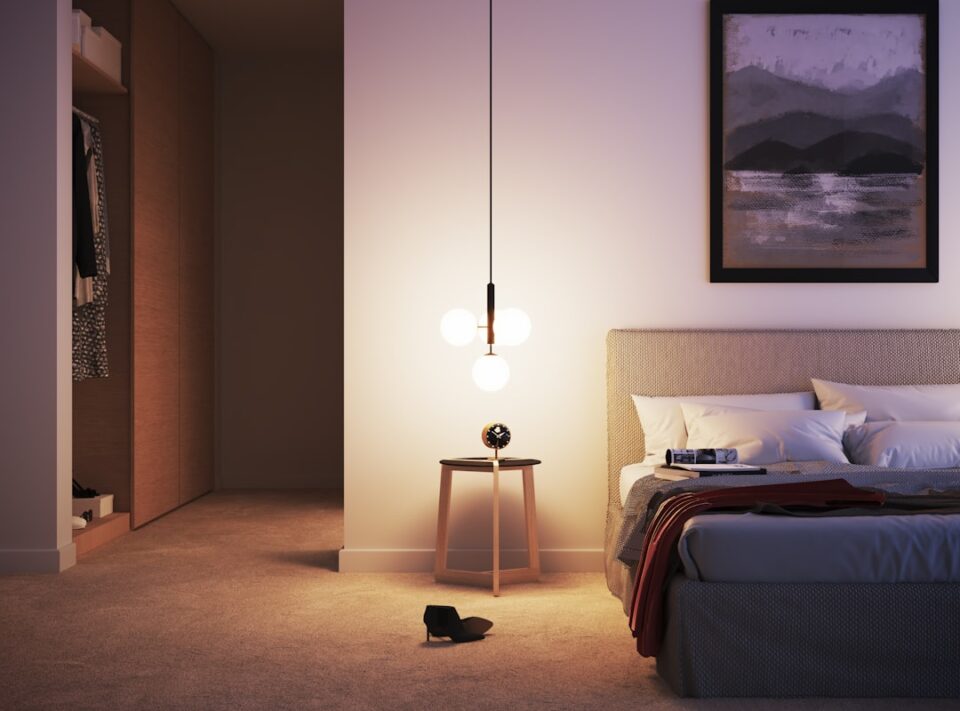
If you want a calmer mind at night and more reliable energy in the morning, high-efficiency sleep therapy offers a simple way to organize routines, spaces, and daily cues so your nights feel steadier. The method focuses on realistic timing anchors, a sleep‑friendly bedroom, practical wind‑downs, and gentle day habits that are easy to keep during busy weeks.
What is high-efficiency sleep therapy?
High-efficiency sleep therapy is a structured yet flexible approach to bedtime that aims to get more restorative value out of the minutes you spend in bed. Rather than promising perfect nights, it builds a repeatable rhythm your body understands: consistent wake times, smart light exposure, predictable wind‑downs, and a room that quietly invites rest. Think of it as strength training for sleep habits. One calm evening will not change a month, but a month of simple, repeatable steps can shift the average of your nights and the tone of your days.
The method is designed for real life. Parents can adjust it to household rhythms. Shift workers can apply the principles to nonstandard hours. Students and travelers can run a lightweight version on the road. It uses low‑cost tools first and leans on basics—light, movement, meals, temperature, and clutter control—before suggesting any new gadgets. Above all, it avoids pressure. You are not applying force to your nights; you are arranging the day so that sleep feels possible when the light goes down.
This guide shares general information about habits and environment. If long‑standing difficulties or excessive daytime sleepiness concern you, consider speaking with a qualified clinician who can review your situation and provide personalized guidance.
The three pillars: timing, environment, and behaviors
Nearly every practical step in this guide lives in one of three pillars. Organizing your efforts this way helps you decide where to begin and how to keep progress going without feeling overwhelmed.
- Timing: Your body clock responds to consistent signals. A stable wake window, morning light, consistent meal timing, and daily movement help anchor your rhythm.
- Environment: Darkness, quiet, cool air, and visual simplicity reduce friction at bedtime. Fewer alerts and less clutter help your nervous system settle.
- Behaviors: Daytime choices show up at night. Caffeine timing, screen intensity, recovery breaks, and the tone of your wind‑down all shape how easily you drift off.
Most people see steady gains by focusing on one pillar at a time while keeping the other two “good enough.” Pick a modest target—such as a reliable wake time or a 30‑minute dimming routine—and keep it for two weeks before adding the next brick. This pacing builds confidence and makes progress feel easier to maintain.
Build your baseline: a two‑week log that stays simple
Before changing anything, take two quiet weeks to learn how your nights behave today. The goal is not a perfect diary; it is a simple picture that reveals where you have leverage. Use paper on the nightstand or a small note on your phone. Track five items each day:
- Lights‑out time: When you turned the lights down and aimed to sleep (estimate is fine).
- Wake‑up time: The first time you got out of bed intentionally.
- Morning light minutes: Minutes spent outside within 90 minutes of waking.
- Wind‑down start: The moment you began to slow down for the evening.
- Energy score: A simple 1–5 rating for next‑day steadiness.
Optionally add a short note when something unusual happens (late dinner, intense workout, travel, big presentation). At the end of two weeks, review your notes with three questions:
- Which nights preceded your steadiest days? What was different about those evenings?
- How tight were your wake windows on your better days?
- What happens after late screens, late meals, or late exercise?
Now pick one idea in each pillar for a modest trial. For example, set a wake time you can keep, swap a bright overhead lamp for a warmer bedside light, and move your last coffee earlier by 30–60 minutes. Give the change a full week to express itself before layering more. Your log will make patterns visible and keep motivation steady because you can see your choices connecting with next‑day energy.
Circadian alignment: light, meals, and movement
Your body’s rhythm is guided by daylight, activity, and feeding patterns. You can nudge that rhythm into a steadier groove with realistic anchors that do not require perfection.
Morning light that sets the day’s tempo
- Step outside for 5–15 minutes within 90 minutes of waking. Outdoor light—even on overcast days—is far brighter than most lamps and helps set the internal clock.
- If it’s dark when you wake, use bright indoor light until sunrise, then grab outdoor light when you can. In winter, a brief midday light break helps.
- Keep weekends within about an hour of your weekday wake time when practical. That small slack protects social life without unraveling your rhythm.
Meals as steady time cues
- Finish your last substantial meal 2–3 hours before lights out. Many people find evenings feel calmer when digestion is winding down by bedtime.
- Keep meal times roughly consistent across the week. Predictable feeding windows act as secondary clock signals.
- If hunger shows up close to bedtime, choose a light, simple snack. Avoid turning late snacking into a nightly default unless it clearly supports comfort for you.
Movement that balances the system
- Move most days. Brisk walking, mobility work, recreational sports, or short strength sessions all count. Extreme intensity is not required.
- If vigorous exercise late in the day leaves you wired, shift intense sessions earlier and keep later movement gentle—stretching, easy yoga, or an unhurried walk.
- On busy days, stack tiny bursts: a 10‑minute walk after meals and 3 minutes of mobility between meetings can make a meaningful difference.
If your schedule changes often—rotating shifts, travel, or caregiving—view light, meals, and movement as movable anchors. Apply the same order (light, meal, movement) relative to your wake time, even if clock times vary.
Engineer your bedroom: light, sound, temperature, and air
The most helpful sleep rooms are pleasantly boring: dim, quiet, cool, and simple. They whisper “nothing to do here except rest.” You can reach that feeling with a few low‑cost moves before considering bigger purchases.
Light
- Use warm, dim lamps in the last hour. If you use smart bulbs, schedule an evening shift to warmer tones.
- Block outdoor light with curtains or shades; if full blackout is impractical, an eye mask is a useful, inexpensive backup.
- Park glowing screens away from your pillow. If a phone stays nearby for emergencies, place it face down with night mode on and notifications pared down.
Sound
- Quiet what you can control—door latches, appliance hum, notification pings. A white‑noise machine or fan can soften unpredictable sounds.
- If you share walls or a home, agree on quiet hours. Use soft signals (like a lamp dimmer) instead of loud conversations near bedtime.
- Relocate entertainment speakers to living areas. A consistently quiet bedroom by day is easier to keep quiet at night.
Temperature and air
- Cooler is often more comfortable. Many people favor mid‑60s to low‑70s °F (about 18–22 °C), adjusting to preference and season.
- Encourage air circulation with a fan or cracked window when suitable for your climate and safety.
- Choose breathable bedding and wash sheets regularly. If you run warm, consider lighter covers or moisture‑wicking fabrics.
Once your room is set, you free yourself from dozens of tiny choices at night. Over time, the space itself becomes a cue: you walk in and your nervous system recognizes the signal to settle.
The 60–30–15 wind‑down: a simple evening framework
Wind‑downs are bridges from daytime speed to night mode. This three‑step structure helps you cross that bridge without decision fatigue.
- 60 minutes before lights out: Wrap up stimulating inputs. Close work apps, silence nonessential notifications, lay out tomorrow’s essentials, and tidy a small surface. Clearing just one spot makes the room feel calmer.
- 30 minutes before lights out: Dim the room. Switch to quiet activities: light reading, a warm shower, gentle stretching, or easy conversation. Keep content simple and kind to your mind.
- 15 minutes before lights out: Move into a short ritual: unhurried breathing, a grateful note, a brief journal entry, or relaxing audio with the screen off.
Two techniques often help on busy days:
- Brain dump: On a notepad, list what’s looping in your head. Add one small next step for tomorrow. You are not solving problems at night; you are storing them for morning.
- Low‑and‑slow breathing: For 2–5 minutes, inhale gently through the nose and exhale a bit longer than you inhale. Keep the breath quiet, as if you are not trying. This often helps the body settle.
Households differ. Start the 60‑minute window earlier if evenings are busy, or split it: 40 minutes after dinner and 20 minutes near bedtime. The goal is not rigid choreography; it is a dependable rhythm you like enough to keep.
Daytime habits that lighten the night
Daily choices compound. Small adjustments during the day can lower friction at bedtime.
Caffeine timing
- Set a personal cutoff 6–9 hours before lights out. If evenings feel wired, move your last cup earlier by 30 minutes each week and observe what changes.
- Front‑load stronger caffeine earlier in the day. A morning dose plus a smaller mid‑morning cup works well for many.
- Hydrate steadily. Sometimes the mid‑afternoon urge for more coffee is actually thirst or habit rather than need.
Recovery breaks
- Insert mini‑resets every 60–90 minutes—walk to a window, stretch, or breathe quietly. Not all breaks need a timer; use natural transitions (between calls, after emails).
- Eat lunch away from screens a few times each week. Even 15 minutes of mindful eating can lower evening restlessness.
- If you nap and enjoy it, consider short and earlier: 10–25 minutes and away from late afternoon, so bedtime still feels inviting.
Screens and stimulation
- Match screen intensity to the time of day. Earlier hours can handle brightness and complex tasks. Later hours favor warm tones, shorter sessions, and lighter content.
- Move heated topics—charged debates, intense shows—to earlier slots when possible. If evenings are your only window, choose calmer topics.
- Charge devices outside the bedroom if practical. A small charging station away from bed removes temptation without willpower battles.
Smart tools and how to use them without pressure
Technology can simplify your routine and reduce friction, but numbers and charts can also increase tension if you lean too hard on them. The rule of thumb: if a tool calms you or makes follow‑through easier, keep it; if it raises pressure, step away for a while.
- Gentle alarms: A sunrise light or soft vibration can feel kinder than a jolt. Pair it with a consistent wake window to reinforce your rhythm.
- Timers for wind‑down: Set reminders for the 60–30–15 steps so the routine rolls forward without you counting minutes.
- Light control: Smart bulbs that shift to warm evening tones, or simple plug‑in dimmers, reduce effort at the end of the day.
- Trackers (optional): If you like data, use it to spot trends, not to judge single nights. Pair charts with context notes—“late dinner,” “evening stretch,” “walked at lunch.” If scores start to drive anxiety, take a break.
Tools are an assist, not the main event. The habit you keep is more powerful than the device that tracks it.
A gentle 12‑week plan for steady improvement
Here is a forgiving runway that builds one small win at a time. If any step takes longer to stick, let it. Restart after travel or busy seasons without drama; the plan is designed to be flexible.
- Week 1: Choose a wake time you can keep most days. Get 5–15 minutes of outdoor light soon after waking.
- Week 2: Begin your two‑week baseline log (lights‑out, wake, morning light minutes, wind‑down start, energy score).
- Week 3: Practice the 60–30–15 wind‑down on weeknights. Keep content calming and lights warm.
- Week 4: Set a caffeine cutoff that feels reasonable. Experiment with moving your last cup earlier by 30–60 minutes.
- Week 5: Simplify the bedroom: declutter nightstands, remove unrelated devices, add an eye mask or blackout option.
- Week 6: Walk 10 minutes after lunch most days or do light stretching between afternoon tasks.
- Week 7: Shift dinner earlier when practical to create a comfortable buffer before bed.
- Week 8: Add 2–5 minutes of low‑and‑slow breathing to the final 15‑minute window.
- Week 9: Address sound: try a white‑noise machine or fan if neighborhood or household noise is variable.
- Week 10: Establish a friendly screen boundary: a charging station outside the bedroom, or a timer on stimulating apps.
- Week 11: Check bedding comfort. Adjust pillow height, consider breathable layers, or rotate your mattress if needed.
- Week 12: Review your log and energy scores. Keep the top three wins, retire one habit that did little, and sketch a maintenance plan for the coming season.
At any week, if life becomes hectic, keep the core: stable wake time, quick morning light, and a scaled‑down 15‑minute wind‑down. Momentum matters more than perfection.
Troubleshooting common challenges (without pressure)
Even strong routines wobble. The aim is to respond with curiosity rather than urgency. Here are common speed bumps and gentle responses you can practice.
Middle‑of‑the‑night awakenings
- Keep light low. If you need illumination, use a dim, warm lamp or nightlight.
- Adjust comfort—sheet, blanket, pillow—before engaging your mind.
- If thoughts loop, write a short note and try slow exhales. If you are not drowsy after 15–20 minutes, visit a quiet, dim spot for a calming activity (paper book, gentle stretch), then return when sleepiness returns.
Feeling wired in the evening
- Check late stimulation: intense shows, charged conversations, or heavy exercise. Consider moving them earlier in the day.
- A warm shower during the 30‑minute window helps many people shift into night mode.
- On unusually demanding days, start wind‑down earlier and keep the final steps extra gentle.
Early waking before the alarm
- Notice patterns: is the room getting bright earlier? Tighten light control with curtains or an eye mask.
- Review evening timing. Very early dinner followed by long, stimulating evenings can shift your rhythm forward.
- Morning light remains your anchor—use it at your target wake time and hold steady for several days.
Noise, heat, or air quality
- Noise: identify controllable sources, test white noise, or rotate a fan to mask irregular sounds.
- Heat: switch to lighter bedding, run a fan for airflow, or lower the thermostat toward a comfortable range.
- Air: tidy dust‑collecting surfaces, wash linens regularly, and allow fresh air when suitable for your location.
Travel and time zones
- Pack a tiny rest kit: eye mask, earplugs, a familiar scent, and a soft tee. Recreate a few home cues anywhere.
- After arrival, use local morning light and align meals to the destination clock. A gentle walk helps your body read the new time.
- Keep the first evening quiet and dim. Turning in early is okay; use a soft alarm to steer wake times.
Stress spikes or big life changes
- During heavy weeks, keep the simplest anchors: steady wake time, a few minutes of morning light, and a five‑minute evening ritual you enjoy.
- Ask for help where possible. Share chores, set quiet hours, and carve out short decompression windows during the day.
- If sleep difficulty persists or daytime sleepiness remains concerning, consider consulting a qualified professional for personalized guidance.
Special situations: tailoring the plan to your life
Life stages and work patterns vary. The same principles can be adapted to different contexts so the routine fits your reality rather than the other way around.
Parents and caregivers
- Use micro‑anchors. If infant care breaks the night, keep a simple pre‑sleep ritual for the moments you can control—dim a lamp, breathe slowly for one minute, sip water, and write a “park it” note.
- Coordinate with a partner or helper. Trade early mornings or alternate wind‑down duties so each person gets a longer stretch of quiet a few nights per week.
- Simplify the bedroom to be resettable in 60 seconds. A small basket for toys, a dedicated spot for bottles or pumps, and a tidy nightstand reduce bedtime friction.
Shift workers
- Anchor around wake time, not clock time. Within 30–60 minutes of waking from your main sleep, get bright light (indoor if dark outside) and a meal. Apply the same sequence after nap cycles.
- Defend your sleep window with environmental control: blackout shades, fans for airflow and sound masking, and a “do not disturb” plan with household members.
- Use strategic naps. Short pre‑shift naps can support alertness. Keep them early enough that your main sleep still feels inviting afterward.
Students
- Match study intensity to the sun. Do deep work earlier when possible; keep late sessions lighter and switch to printed materials to lower alerting light.
- Stack movement near study breaks: a 5‑minute walk outside or an easy set of mobility drills clears mental cobwebs without revving you up too late.
- Protect mornings after late nights. Use outdoor light at wake‑up, hydrate, and move gently to help the day’s rhythm form.
Frequent travelers
- Set an arrival routine: water, 10 minutes of outdoor light when available, unpack one small item, and a short walk. Keep the evening quiet and dim.
- Bring familiar cues. An eye mask, earplugs, and a consistent audio playlist recreate home signals anywhere.
- On short trips across a few time zones, shift only partway to the local schedule if that feels easier on your body.
Weekly review, maintenance, and seasonal tune‑ups
Maintenance is where this method shines. A short weekly review protects your progress and keeps the routine aligned with your actual life and the season.
Five‑minute weekly check
- Glance at your energy scores and notes. What worked last week?
- Pick one focus for the coming week: timing, environment, or behavior. Choose a small action you will actually do, like “walk outside after breakfast Monday–Thursday.”
- Reset your space: tidy the nightstand, refill your water carafe, and place a paper book or eye mask within reach.
Seasonal tune‑ups
- Spring and summer: Earlier sunrise invites earlier outdoor light. Consider lighter bedding and keep evening bulbs warm to counter late sunsets.
- Autumn and winter: Later sunrise may mean bright indoor light at wake‑up and an outdoor light break when day arrives. A cozy pre‑bed routine (warm shower, socks, light reading) helps offset long evenings.
- All year: Keep a short list of calming activities you genuinely enjoy so you can rotate them and avoid boredom.
Common myths to retire
- “Eight hours every night or nothing works.” People vary. Aim for a consistent window that fits your life, then refine comfort and wind‑down. Quality plus daytime steadiness matters more than a single number.
- “If I wake at night, the night is lost.” Short wake‑ups happen. Keep light low, avoid pressure, and use a calming activity if needed. Many nights settle again with patience.
- “More tracking equals better sleep.” Data can help spot patterns, but pressure can backfire. If scores raise tension, take a break from tracking.
- “I must overhaul everything at once.” Tiny steps kept for months beat a burst of changes that fades in a week.
Checklists and quick‑start templates
Use these bite‑size lists as a reference. Pin them to a note app or a card on your nightstand.
Five‑item bedroom checklist
- Replace one bright overhead source with a warm lamp.
- Add a simple eye mask for backup darkness.
- Set a fan for airflow and soft sound if helpful.
- Tidy one surface you see from bed.
- Place a paper book and pen within reach.
Ten‑minute morning anchor
- Water first.
- Step outside for light, 5–10 minutes.
- Move gently: a walk to the corner or a few mobility drills.
- Plan one small win for the day.
15‑minute evening wind‑down
- Dim lights and silence nonessential alerts.
- Write a two‑line to‑morrow list.
- Stretch gently or breathe low and slow.
- Read two pages of a light book or listen to calm audio.
Travel room reset
- Unpack just one item to mark arrival.
- Set the thermostat cool and run a fan for consistent sound.
- Place your eye mask, earplugs, and water glass bedside.
- Use a small nightlight or dim lamp for middle‑of‑the‑night navigation.
Where to learn more
For more practical, bite‑sized articles that pair well with this guide, browse our High‑Efficiency Sleep Therapy hub at inhealthtoday.com. You will find routines, room setup ideas, and seasonal tune‑ups you can apply in minutes.
Putting it all together
High-efficiency sleep therapy is not a quest for flawless nights. It is a craft you practice: align the day’s light and meals to your wake window, make your room quietly comfortable, and use a wind‑down that feels kind. Keep a small weekly review, adjust by season, and view detours as part of the process rather than failures. Over time, those simple moves, repeated with patience, add up to calmer evenings and steadier days.